Quake, Angry Birds and The Last of Us Could Enter the Video Game Hall of Fame
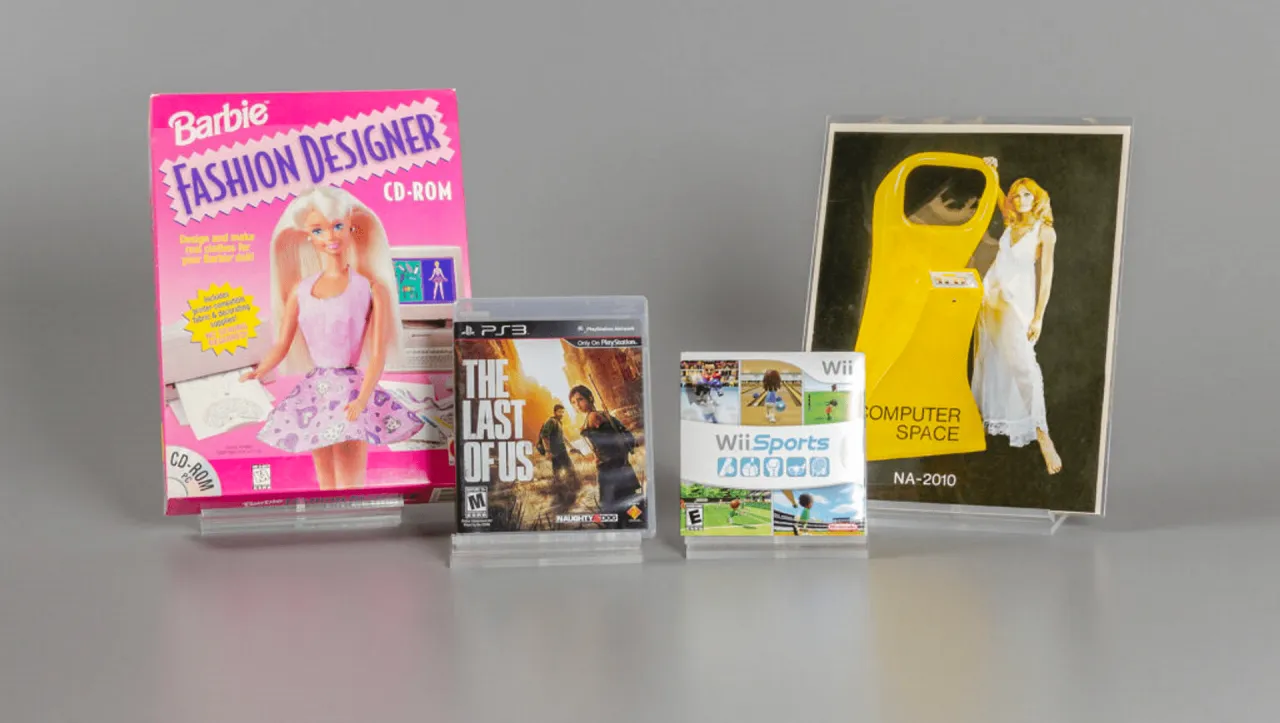
The Strong National Museum of Play named the finalists for the 2023 Video Game Hall of Fame: Age of Empires, Angry Birds, Barbie Fashion Designer, Call of Duty 4, Computer Space, FIFA International Soccer, GoldenEye 007, The Last of Us, NBA 2K, Quake, Wii Sports and Wizardry.
Every year The Strong National Museum in New York goes through electronic games of all types to add to the Video Game Hall of Fame. Projects that have gained great popularity and have also influenced the industry, pop culture or society as a whole can count on a place in the museum.
In 2023 the commission selected the following finalists:
- Age of Empires (1997) — the game combined historical scenarios with elements of turn-based real-time strategy, which allowed users to rethink the dawn of civilizations. In its day Age of Empires became Microsoft's best-selling game and also formed the basis of an entire franchise.
- Angry Birds (2009) — a hit arcade game that opened the way to mobile gaming for many. Simple gameplay and engaging levels gave the project more than 2 billion downloads.

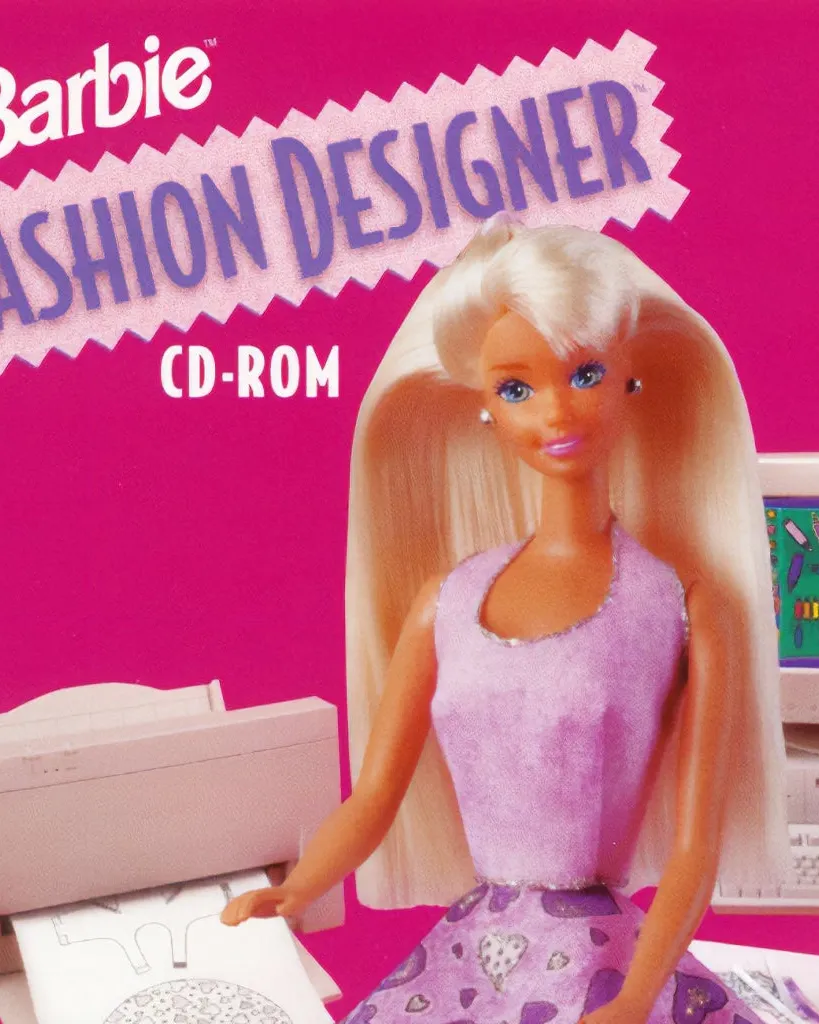
- Barbie Fashion Designer (1996) — the project appeared at a time when video games were mostly advertised to a male audience. Soon BFD proved that games for girls can be popular too, selling over 500 thousand copies in two months.
- Call of Duty 4: Modern Warfare (2007) — the fourth installment of the series from Activision moved the action from a World War II setting to the present day. In addition, it set a new standard for the industry by adding quality animations, gripping stories and sounds providing a sense of presence.
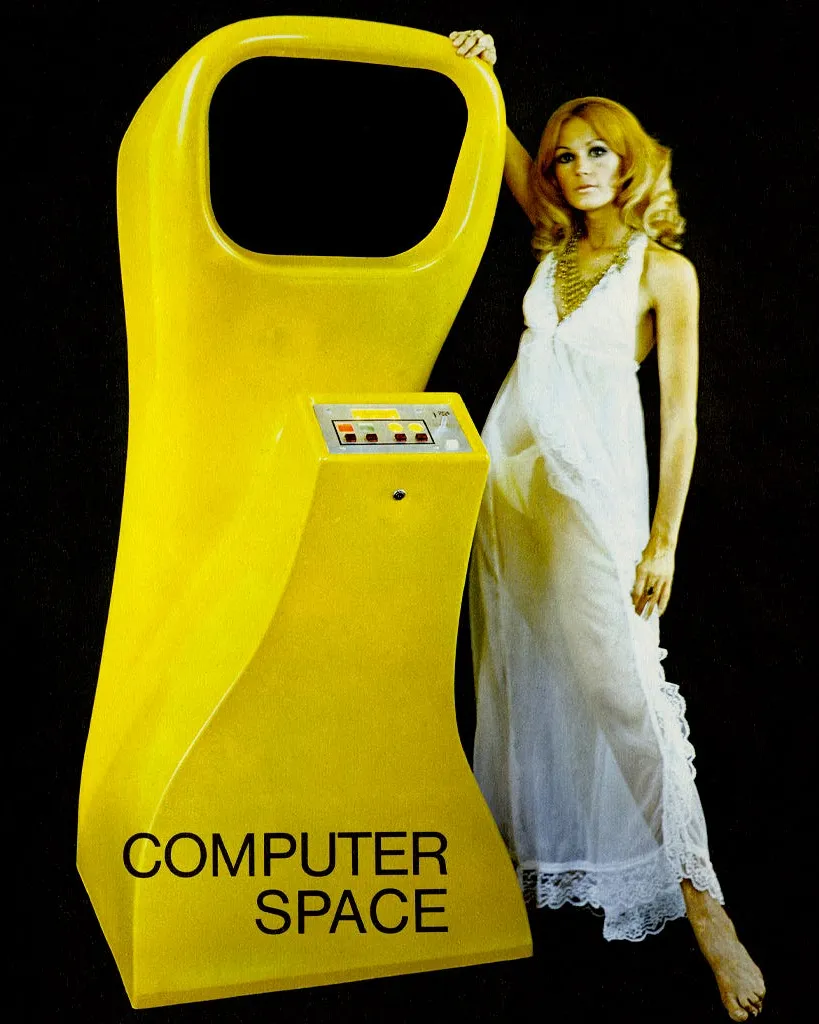
- Computer Space (1971) — the first commercial video game in history, which proved that interactive entertainment could win the interest of the public outside computer labs. It did not become a bestseller, but it beat a path for other video games and also inspired its creators to found Atari Inc.
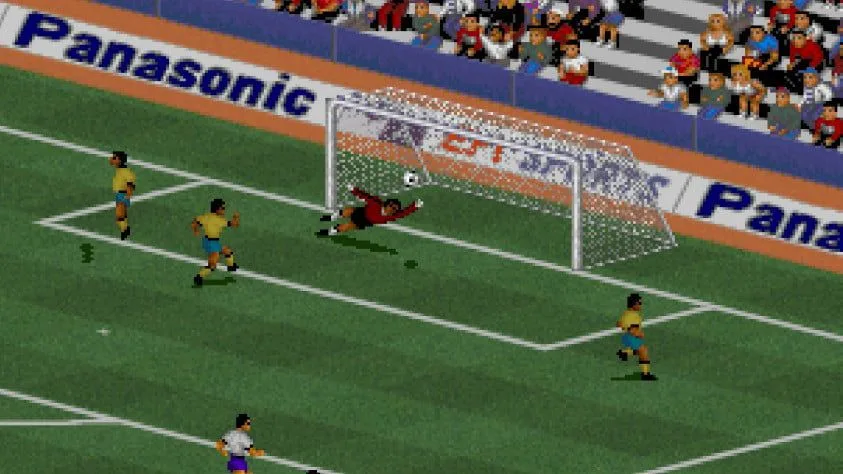
- FIFA International Soccer (1993) — the game gained great fame, which grew into the most popular series of sports simulators of all time.
- GoldenEye 007 (1997) — the shooter boasts a deep plot and immersive gameplay, as well as four-player multiplayer, which influenced many multiplayer projects of that time.
- The Last of Us (2013) — many people were conquered by “The Last of Us” with its storytelling, memorable characters, gripping cutscenes and gameplay. More than 200 publications named Ellie and Joel's adventure game of the year in 2013, and in 2023 the creation of Naughty Dog received a screen adaptation from HBO.
- NBA 2K (1999) — the basketball simulator back in 1999 focused on realism, raising the bar for other digital sports games. Since then NBA 2K has grown into a popular series.
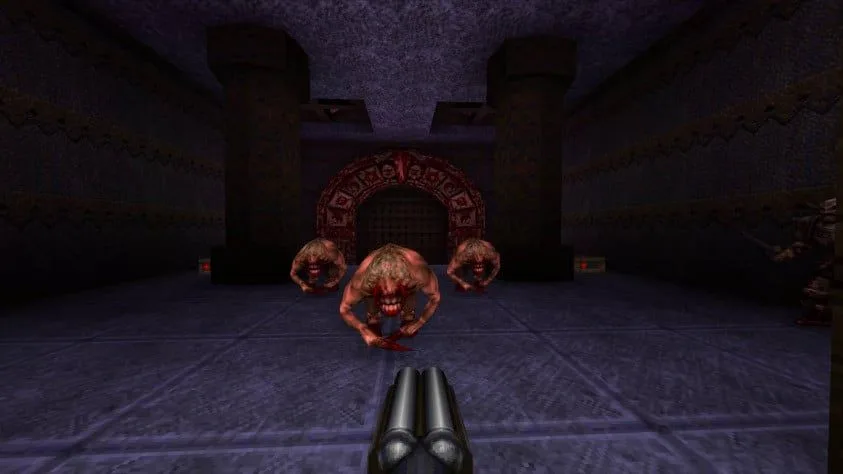
- Quake (1996) — the 3D first-person shooter shook up the industry, setting a new quality standard in it. Its multiplayer mode contributed to the birth of esports. Quake's revolutionary code became the basis of many games and continues to be used to this day.
- Wii Sports (2006) — a game for the Nintendo Wii console that introduced people of different ages to digital entertainment. All thanks to simple controls using a motion-sensing controller.
- Wizardry (1981) — the first part of the series came out on Apple II computers and helped shape the foundation for other turn-based fantasy RPGs. In Wizardry gamers had to look for gold, explore levels and fight enemies. People especially remembered the process of forming unique parties of adventurers.
As a reminder, the organizers determine the winners based on several criteria: the game's “lifespan”, how iconic it has become, and how far its fame and influence have spread.
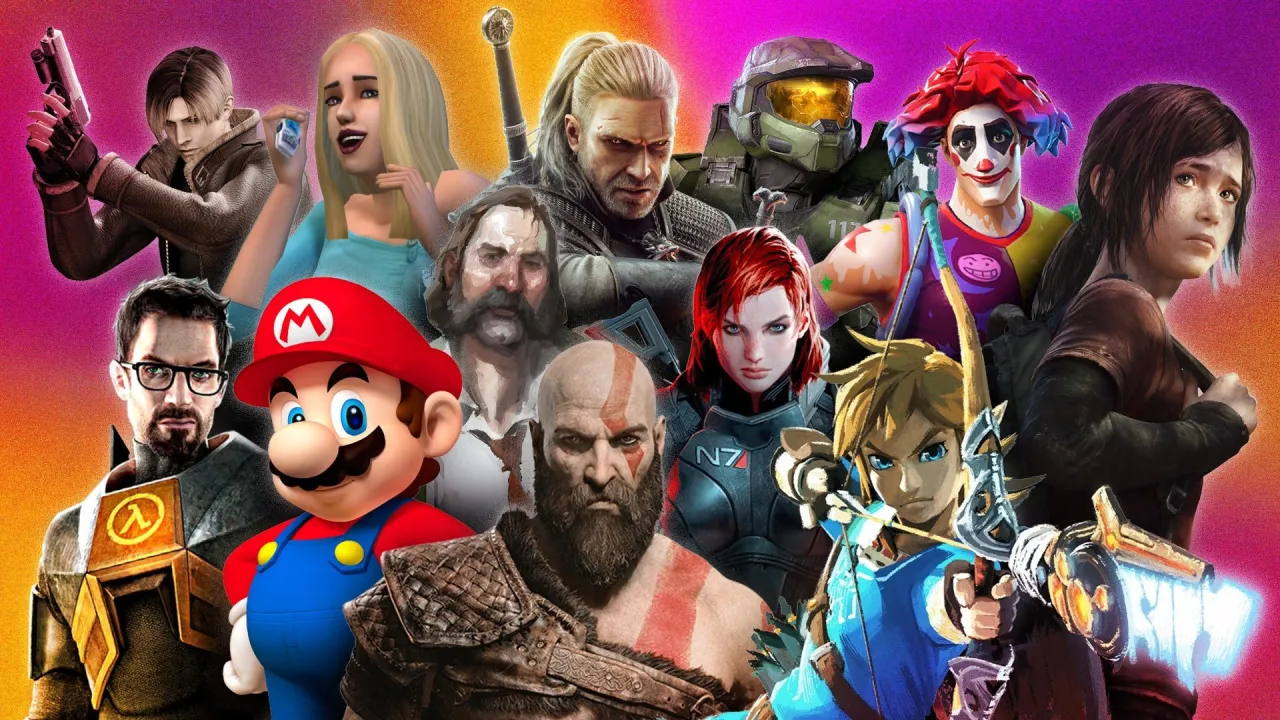
Gamers can decide which of the above deserve to join the iconic Pong, Super Mario Bros. and The Legend of Zelda through online voting on the museum's website. A user's opinion counts as the vote of one commission member. The choice must be made by March 22. The names of the four winners will be announced on May 4.
Based on material from StopGame. Original text by Lina Skorich. Translated from Russian.