The Golden Key Is Not for Pinocchio: A Review of Lies of P
A review of Neowiz Games' Lies of P: a Souls-like “homage” in a steampunk city based on Pinocchio, with strong boss design, deep weapon customization and a mechanical arm, but a weak start and a plot done for show; the author thinks it is worth enduring.
The fashion for Souls games does not subside, pushing small and mid-sized studios to create new versions of FromSoftware's immortal creation. And while most authors try to rethink the classics, bringing their own not always working but still original ideas, some craftsmen bake pies from old dough. Lies of P from the Korean team Neowiz Games does what can now be called an “homage”. In other words, it copies the original's ideas outright, offering familiar concepts and mechanics in the new wrapper of a mechanical Pinocchio.
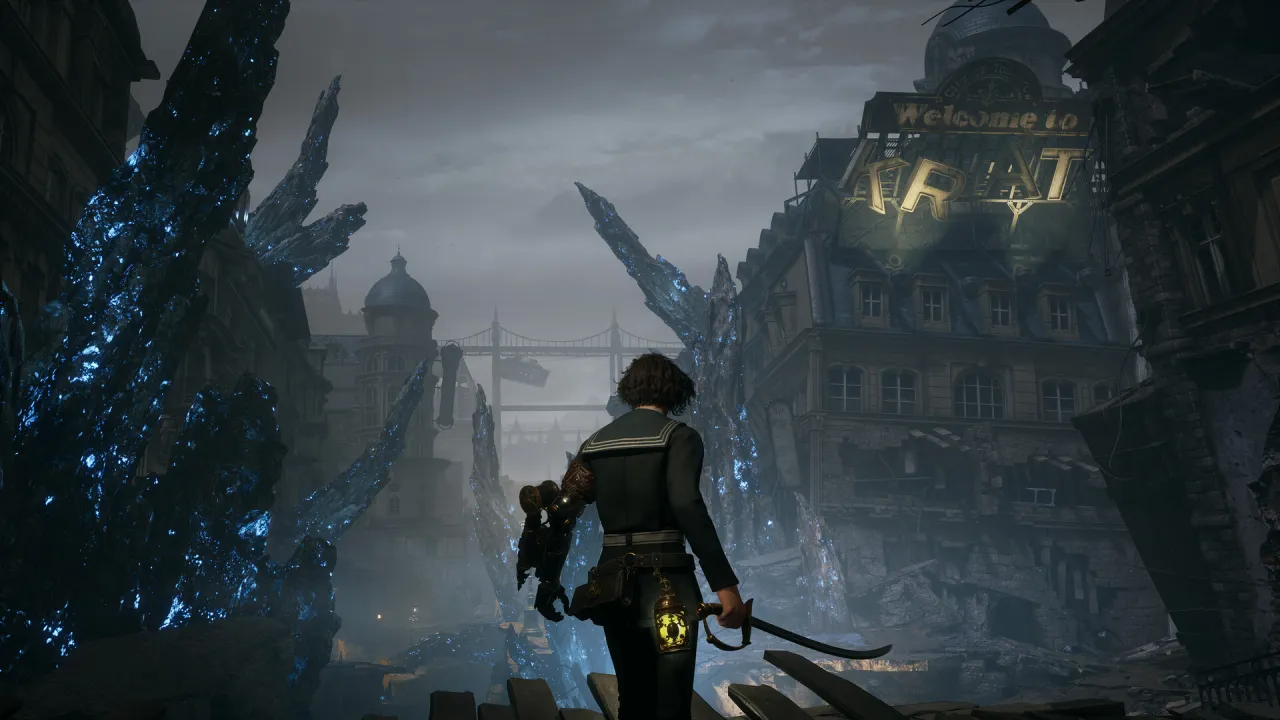
The events of Lies of P take place in the gloomy city of Krat, where a technological revolution has saturated the world with puppets that took most worries off the city's residents. But the steampunk utopia did not last long: first the world was struck by the Petrifying Disease, and after the quarantine zones the wrath of the maddened puppets descended upon what remained of civilization. The story's protagonist is a unique puppet who, unlike the other mechanical beings, can lie like a real human. And only he can stop the machine uprising and rid humanity of the disease.
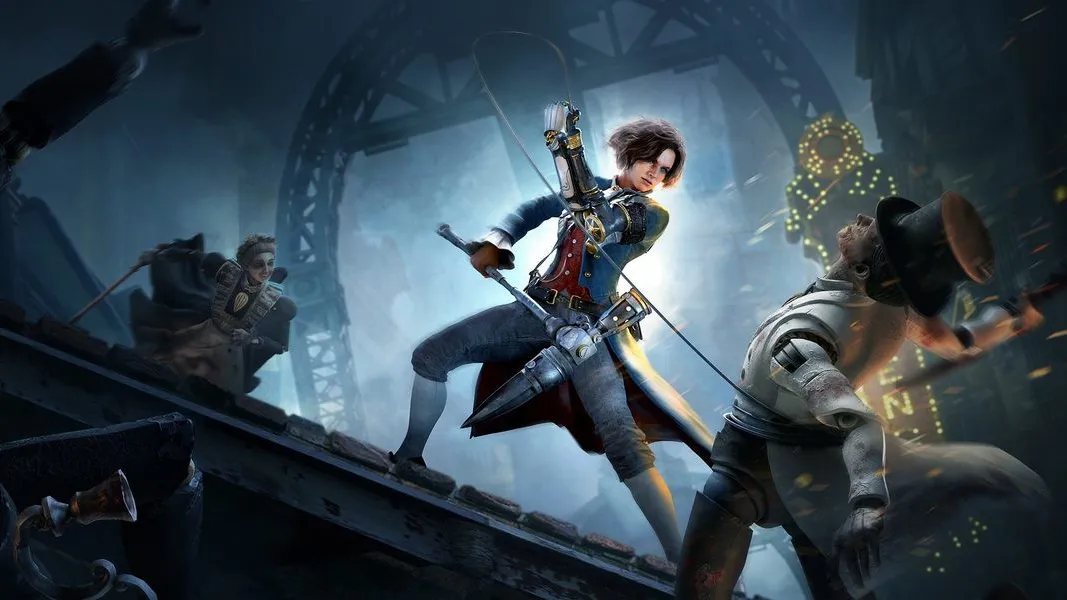
However, behind the facade of a literary reimagining of Carlo Collodi's fairy tale hides the same concept of FromSoftware games. The player kills enemies and collects agro energy, respawning at the local analog of bonfires — stargazers. Besides the traditional upgrade system with stamina, health and strength, you are also offered a talent meter that affects the local analog of magic — the mechanical arm. As in Sekiro, the customizable arm serves as additional support during fights. The player can shoot lightning from the limb, pour fire on an opponent or, in the best traditions of Mortal Kombat, pull one in on a cable. Naturally the arm wears out actively, so its charge can be replenished with auxiliary items or by returning to a stargazer.
The fights themselves rest on a system of blocks and parries. With an ordinary block the protagonist temporarily loses part of his health, which can be regained with counterstrikes, while a parry lets you deflect a blow and deal a series of powerful attacks or even put the enemy into a stunned state. In the latter case a strong blow allows you to carry out a lethal combo.
Besides the main weapon our Pinocchio can set a second set of means of destruction, but this will greatly affect the character's overall weight and stamina. Besides health ampoules, the menu lets you set active items — from stat boosters to throwing weapons. Additionally a whetstone is available, which helps refresh a dulled blade and, once per session away from a stargazer, apply a special effect to the weapon, such as fire or electricity.
Also worth mentioning is installing perks of the mechanical heart in exchange for rare quartz. This lets you extend the effects of weapon sharpening, increase the strength of blows or add to the number of items used. In the two initial equipment slots you can place special amulets that increase health or available weight. There are also purely cosmetic solutions, such as changing the protagonist's clothes. Crystals collected from agro bosses can be exchanged for unique weapons from the local collector.
Lies of P's customization system shows noticeable depth — unlike the games of the Dark Souls series. You can sharpen the blade and swap the handle from a heavy sword onto a rapier, getting a completely new weapon with its own behavior and special strikes. Upgrading the arm lets you unlock and create new types of mechanical helper. In addition, Pinocchio has access to the cube prayer, which affects the health and stats of the companion.
The thing is that specially to help in boss fights Lies of P offers a ghostly companion. He is, of course, dim-witted, but copes well with the role of a decoy, distracting the boss's attention. A special cube lets you boost his attacks, revive him in case of death or restore his health.
New abilities are exchanged at the merchant for fruits of the money tree, which yields a harvest after a certain interval of real time. The same fruits are needed to reset upgrades and build a new character. The weapon class and one of the upgrade elements affect the lethality of the blade used.
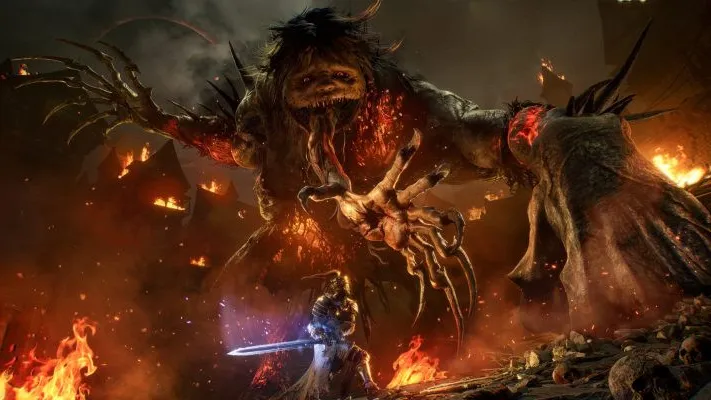
Weapon upgrades with moon stones, running around with blades after red butterflies for special items, the mechanical arm, poisonous swamps, parries, escaping from balls, conversations with the puppet Sophia, who raises the protagonist's level — all this references the worlds of FromSoftware, but Neowiz Games offers something of its own too — bosses. Giant steam robots, maddened clowns, disease-warped mutants and a deranged city guard in animal costumes will put up a desperate fight, forcing you to try different tactics and approaches. Some bosses can be met only in proud solitude, leaving the ghostly companion only for the level lords. And although not all opponents are interesting, many of the battles inspire genuine admiration.
The main story in Lies of P is done for show, while the side stories, often interlinked, are distinguished by magnificent development. One of the random NPCs will ask you to return the belongings of a beloved wife, Pinocchio will find a ring on a puppet and learn the tragic love story of a human and a machine, and later a butler will confess that he loves a woman, and this wedding ring can change his life and yours for the better.
In terms of graphics, Neowiz Games' work can be compared with another Souls clone with mechanical opponents — Steelrising. And here the Koreans have a serious advantage — Lies of P looks modern, standing out with a good lighting model, pleasant animation and detail on the enemies, of which there are more than fifty here. And the difference in budgets is all too noticeable even in how the protagonist's clothes get dirty.
Lies of P's main problem is a very weak start with drab level mazes and boring enemies, but already in the fourth act, with the appearance of new mechanics, opponents and a growing variety of weapon choice, the game opens up, turning into an engaging product in an established genre. Still, bearing and enduring is already in the blood of Miyazaki's fans. And in this case it is clearly worth it.
Based on material from GameMAG. Translated from Russian.