Review of Impostor Factory: A Beautiful Fragile World
A review of Kan Gao's Impostor Factory: a short story game with a time machine in a bathroom and a murder at a party, continuing the To the Moon series; the plot is gripping, there is almost no gameplay, and it is best played after the first two parts.
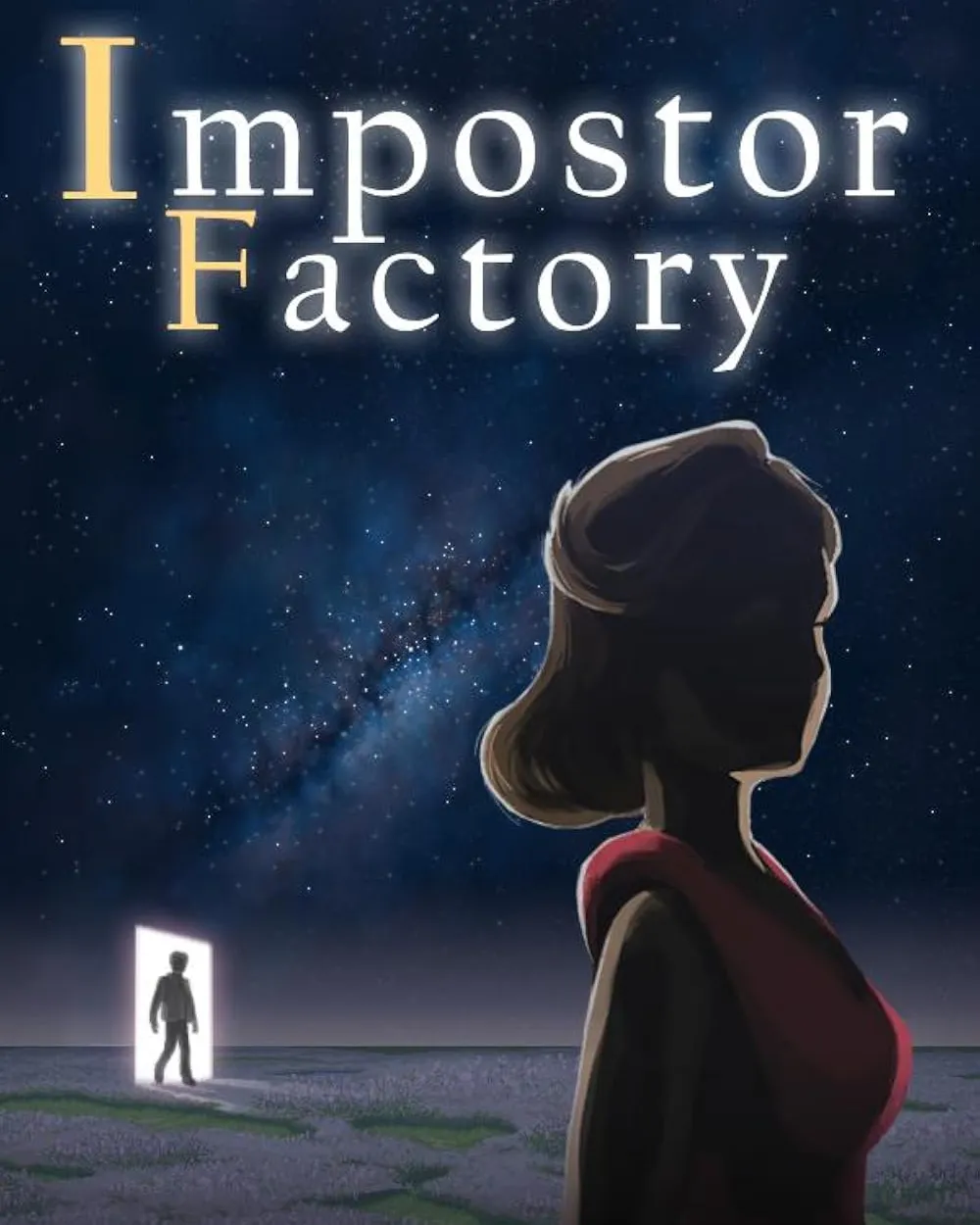
Impostor Factory is a short story about a hero who, invited to a party at a rich mansion, suddenly discovers that the owners of the house are dead. Murdered, to be precise. A classic locked-room mystery!
Or not. It is a story about how the hero (the same one) finds a time machine in the mansion — built into a bathroom sink. You can wash your hands and at the same time travel back in time. Convenient!
Or not. Because people keep dying (it happens), and time travel does not save the situation at all (it seems it should!), and what does the long-cat have to do with it, that very internet Longcat, and why tentacles, and who taught the rice cooker to talk?.. And, in general, I have just told roughly one quarter of the plot's hook.
Interested? Then go ahead!
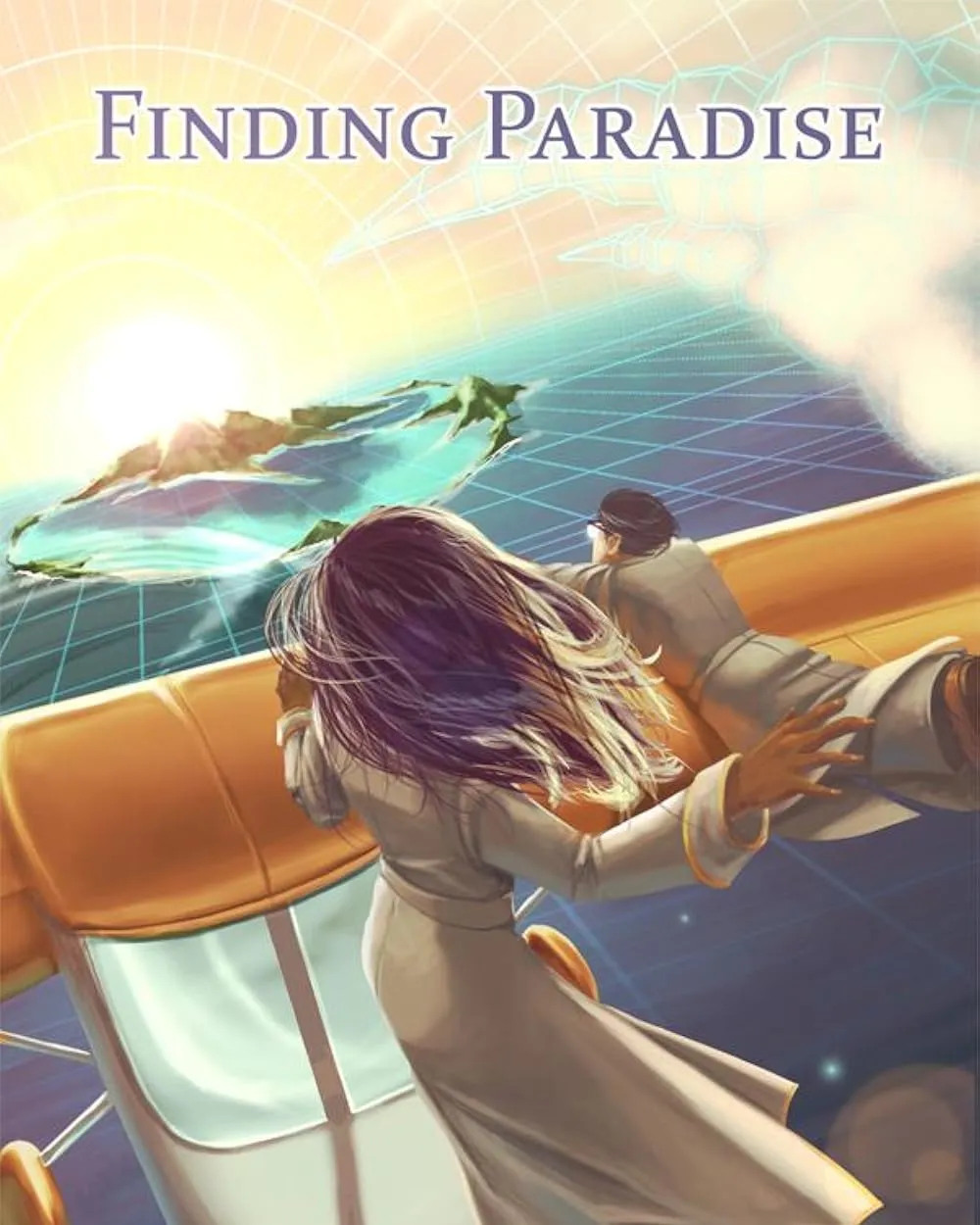
Kan Gao, the developer of Impostor Factory, is known for his previous projects, To The Moon and Finding Paradise (and several smaller ones, but these are the main ones). To The Moon and Finding Paradise tell about two partner doctors, Eva Rosalene and Neil Watts. The guys are engaged in an unusual business in the world of the near future: changing human memories. How? With the help of a wish-granting agency this became possible! But, alas, since changing human memory is too complex a thing, fraught with undesirable consequences, only dying wishes are granted — for terminally ill patients, for example.
But — absolutely any. For example, a person wished to fly to the Moon — please. His memories will be altered according to the contract. He will die with the full awareness that he lived his life working for NASA, making a career as an astronaut and seeing the Earth from orbit. No problem.
Impostor Factory presents us with a new protagonist — Quincy, that very slacker who decided to visit a suspicious party in the forest. But the plot is as gripping as ever from the very beginning, not letting go, unfolding gradually, smoothly and to the maximum. By the end you will be sitting wide-eyed — because everything that was at the beginning will seem so unimportant and insignificant. But if you wish you can replay — to see the barely noticeable keys hidden at the very start, where would we be without them!
The classic of the series — traveling through other people's memories, collecting memory shards to finally see the whole picture of the situation. It is here too, though a little different than usual. Maximally linear, with no puzzles at all: it is impossible to make a mistake, we simply go forward and collect glowing orb-events. Naturally, we start with the earliest memories and go to the latest — and so the intrigue becomes clear far from immediately. But when it does…
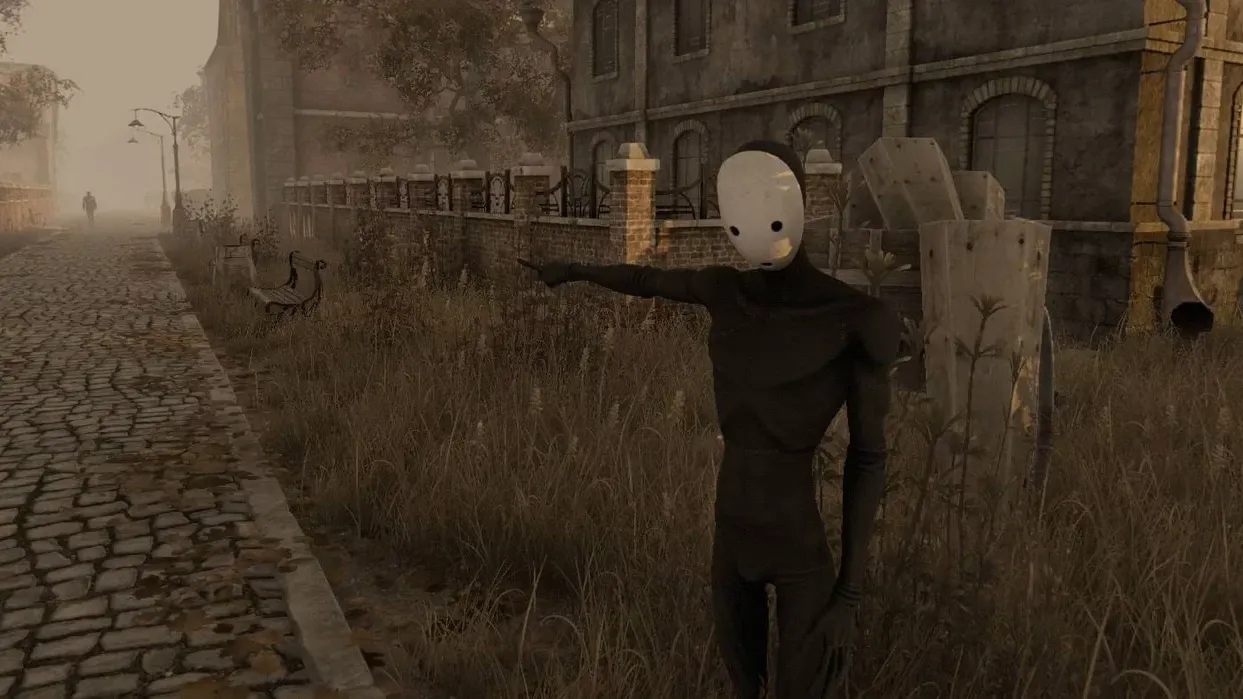
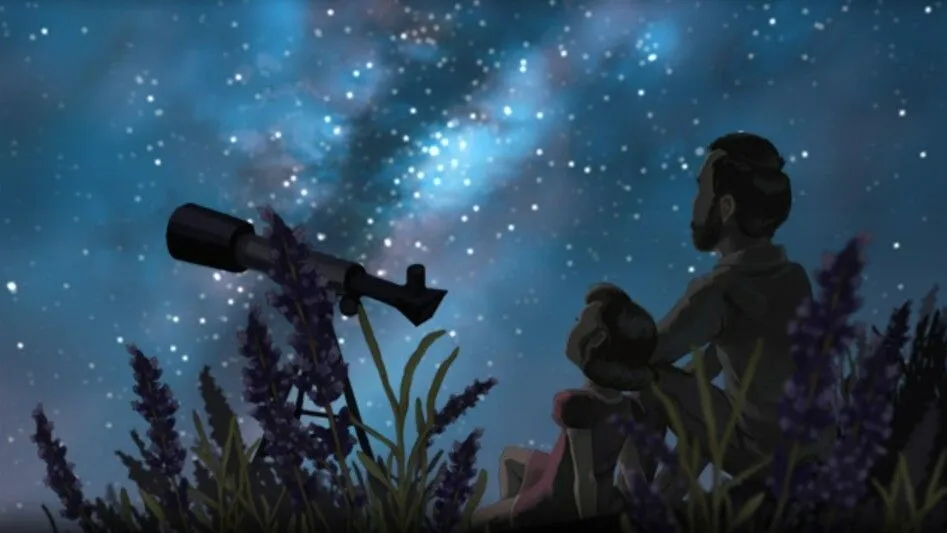
There is no point talking about the graphics. They exist — and that is enough, and they are much better than many modern knockoffs by trendy indie pixel-retro stylists. It is not for the graphics that we love the To The Moon series. Although they are undoubtedly detailed and cute in their inimitable way.
There is a funny bonus for achievement hunters: the only achievement is for finishing the game!
Important: the game's Steam page says that playing the author's previous releases, To the Moon and Finding Paradise, is not necessary. That is, to put it mildly, untrue. If you start straight with Impostor Factory, you risk not understanding the subtext of half the story and blinking in bewilderment while the second half passes by you. Play the first two parts first, they are worth it, 100%, lifetime guarantee.
Have you already noticed that the first two letters of the words in the game's title make up a simple IF? “If”. It is not in vain, there are no random things in the game at all. “If” is such a banal word. If something in our life had gone differently, if on some path you had turned right instead of left, had entered a different institute, taken a different job, met a different person, made a different choice… how would your life have turned out? Pointless, you will say, why worry about the unattainable. Reality is right here.
But what is reality, anyway? The only reality for us is the one in which we live, which we perceive, right?
Of course, all of Kan Gao's works are technically visual novels, though not made on a novel engine; game-books; stories whose whole gameplay consists of the plot. But this plot is of such supernatural power, such crazy twistedness, that it is simply impossible to tear yourself away from it.
These are stories that make even hardened veterans of the BFG and the sniper rifle frown, laugh, cry, sympathize and rejoice for the heroes. It is not for nothing that Steam has the tag Emotional. Touching, gut-wrenching, real. Those very games that are art.
Based on material from ProGamer. Translated from Russian.