New Retro: Review of Dread Templar
A review of T19 Games' Dread Templar, a dynamic old-school shooter with competent level design, weapon upgrades and inconvenient saves; the author considers it a successful experiment amid the wave of “boomer shooters”.
The fashion for making “old-school” shooters has existed for many years, but among the huge number of releases one very rarely hears of any truly successful experiments. Five years ago DUSK turned gamers' heads and turned out to be the most noticeable old-regime shooter, offering driving gameplay and a mass of interesting situations. It gained quite a few imitators, but many developers, unfortunately, in attempts to ride on feelings of nostalgia merely parasitized on the look, forgetting actually to create a good game.
Today there are so many “boomer shooters” that separate showcases are even devoted to them, and the question of quality stands more acutely than ever — it has become harder to sell shoddy work to old-school fans.
And it can be said right away that Dread Templar from T19 Games belongs to the projects that deserve attention. It is a dynamic first-person shooter in which classic elements work in tandem with modern ones.
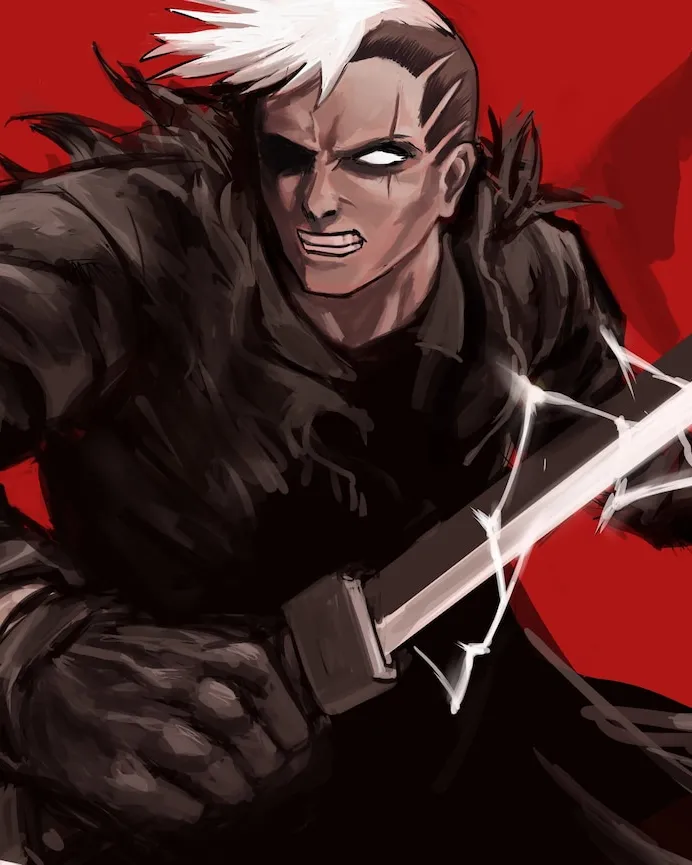
The game greets us with a story about fighting bloodthirsty creatures from hell, which, as was customary in the old days, is delivered as a pack of text and pictures and in practice is not needed at all. We have a weapon in our hands and enemies in front of us — nothing more is required. What immediately surprises is the competent level design. Very many studios stumble at this point, presenting either identical corridors or huge empty spaces where it is unclear where to go. In Dread Templar you feel the structure — even places for additional missions are set apart, since a special kind of challenge and a reward worthy of high difficulty are offered there.
In general, in terms of difficulty the new release is well balanced. The developers made sure the player does not feel too strong a superiority and does not relax. But the local save system will clearly not please everyone, since the ability to record your game progress at any point, including doing it quickly, is absent. On the other hand, it pushes you to play better so as not to run through the same places several times.
In the early stages the game is more like a typical parody — in a good sense — of Quake, but then it starts to pick up speed and surprise. Locations unexpectedly become bigger, enemies gather into small armies, and now Dread Templar is practically playing on the field of Serious Sam. This juggling of scales pleasantly changes the rhythm up to the finale. True, fans of quickly crossing huge spaces by bunny-hopping and other familiar means of movement will be disappointed by the lack of inertia in the hero's movements and the limit of base speed. Besides, the collisions at some corners and monster corpses are done quite strangely, because of which you can sometimes get stuck in them.
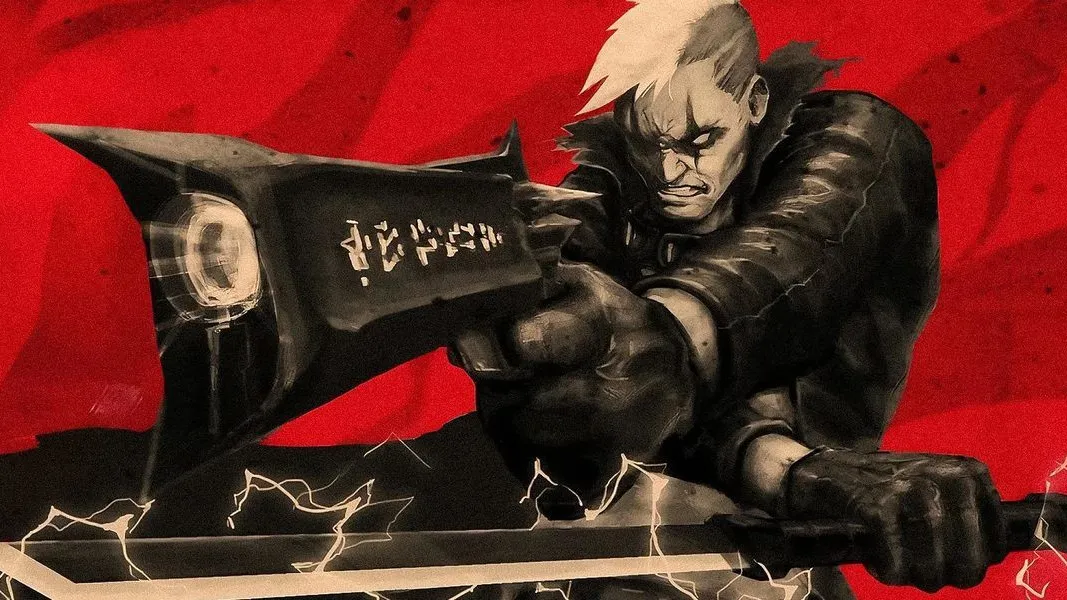
But what do you kill legions of enemies with so as not to get bored? At first it seems that the arsenal of the Dread Templar is nothing special — here are pistols for you, here is a shotgun, here is, for some reason, a katana that can be thrown… But the upgrade system comes into play, which first gives ordinary increases to damage or reload speed, and then does a pirouette and offers to turn your weapon into something else. And now the pistols, which in games of this genre usually disappear from the player's diet as soon as stronger guns appear, turn into hellish crushers piercing enemies through and through. Or maybe it is better to make “Uzis” out of them, which in a dozen seconds fire into the foes ammo worth about $400,000, becoming practically the strongest weapon, though of short use. All these upgrades have to be searched for in local nooks and secret passages, but they are worth it, transforming the hero's combat potential in full.
The most important attribute of “old-school shooters” is also stylization, and here it does not let you down. The levels are memorable, the design has its own charm and handwriting, though it offers nothing extravagant. The musical accompaniment is filled with adrenaline guitar riffs, but, unfortunately, is limited to one tune per level, which manages to get rather tiresome.
Having spent a decent time in the depths of early access and gotten out of there (which not all such projects can boast), Dread Templar managed not only to give a nostalgic trip but also to turn out a quite interesting and driving shooter in its class, and so need not fear getting lost among the crowds of competitors. Among the ambiguous points and drawbacks are the inconvenient save system, the limits on movement speed and the presence of some glitches.
Dread Templar is sold on PC on Steam for 719 rubles.
Based on material from GameMAG. Translated from Russian.