Miyazaki's Pale Shadow: Review of Thymesia
A review of OverBorder Studio's Thymesia: an average clone of Bloodborne and Sekiro with parrying and “plague” weapons, a modest budget, overly sterile bosses and reused locations; the game can entertain but is not outstanding.
The annual attempts by small and mid-sized studios to steal the magic formula of games from FromSoftware and use it to create their own games have long ceased to surprise. “Dark Souls in space”, “in the world of robots” or “somewhere on the edge of the mushroom kingdom” may look interesting, bright and even provocative, but not one of them has managed to reach the level of the genius of Hidetaka Miyazaki. The fresh Thymesia chose as the starting point of its difficult journey a strange mix of Bloodborne and Sekiro — with corrections for a meager budget and noticeably less variety.
Thymesia takes the player to the world of the Kingdom of Hermes, where alchemical experiments led to a local apocalypse. The surroundings were struck by a plague that changed the inhabitants, causing mutations and possession. The healer Corvus can save this realm, who must collect his own memories by passing through three large locations and defeating bosses lacking originality and imagination.
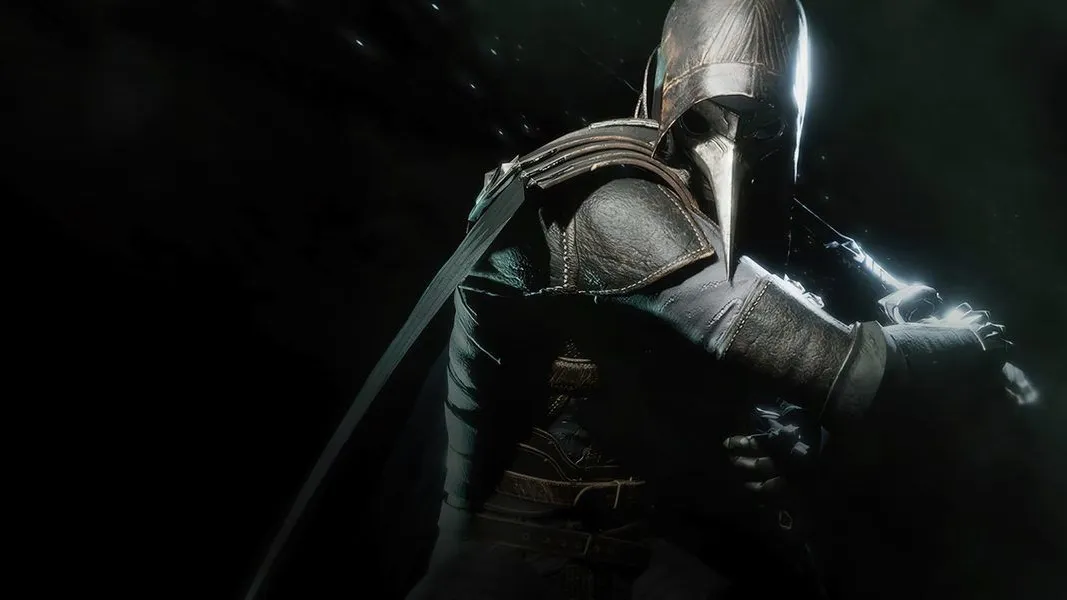
Using the Dark Souls formula, the authors do not offer the player hundreds of weapon types or combat stances. Of the basics you have a single saber and a set of claws. The principle is simple: by taking down the white health bar with the saber you finish the enemy off with the claws. But as soon as you dawdle a little, the white bar fully recovers and you have to start all over again.
Another mechanic was borrowed from Sekiro and involves precise parrying. With correct button presses you can not only deflect a blow without taking damage but also significantly reduce the enemy's white bar.
The plague weapons deserve a separate mention: they consume your energy gauge and are assembled from shards dropped by ordinary enemies and bosses. The plague blade deals significant damage to the enemy's white bar, so it is convenient to use in combinations with the regular weapon.
The plague set includes paired swords, halberds, a red mist, throwing knives and other unique sharp objects. By default Corvus can carry only one plague weapon, but the talent tree lets you unlock one more, and by performing perfect finishers you can obtain a temporary third. At the same time the hero has no stamina bar, which significantly eases progress and makes the game simpler.
Since Thymesia is made to be played through with the character at the first level, all the leveling is aimed at easing the suffering of less advanced players. A sufficient number of collected souls lets you raise one of three characteristics: the strength of the claws, the saber or the health bar. The talent tree unlocked nearby offers to upgrade special skills, making your fighting style slightly more unique.
The abilities add air strikes, combinations or health restoration on successfully performed finishers and counterattacks. At the same time the skill tree may be reset an unlimited number of times, trying new combinations of special abilities and shifting focus from defensive to attacking mode. If you wish you can reset the whole progress and redistribute all the experience points into new combinations. Separately, in exchange for components dropped by bosses, the local flasks are upgraded, to which special bonuses or boosters are added. Still, for significant improvements and strengthening of the main hero you will have to complete side missions.
In total the game contains three unique stages, each of which has three side missions. Each of these tasks involves replaying the original level with the opening of previously unavailable branches. Besides searching for knowledge to get a good ending, here you can significantly upgrade your hero, his flasks and the plague weapons. The bosses are made without particular imagination and resemble a bestiary from other games, but it is they who will demand the most precise parries from you to win.
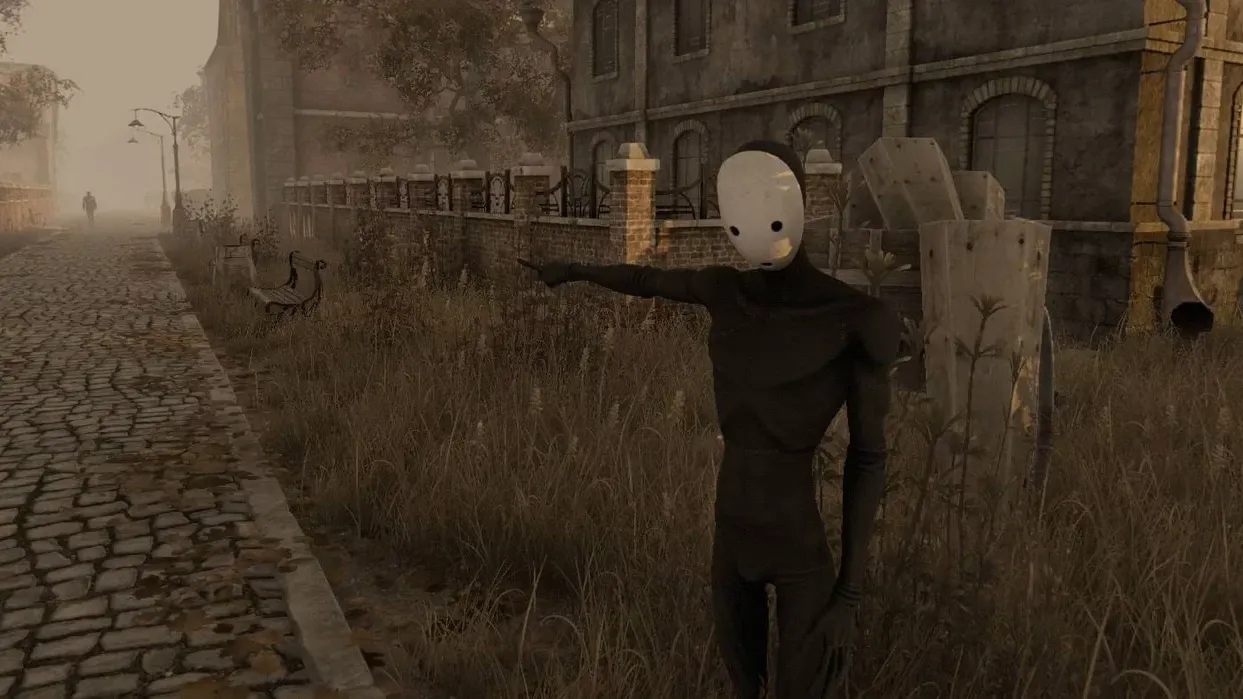
Graphically Thymesia turned out without revelations and looks significantly worse than the domestic Mortal Shell, which came out two years ago. The structure of the levels, the design and the animations of the opponents seem to scream about a limited budget. As does the use of the same locations in side missions to artificially lengthen the game. With all one's desire the world of Thymesia can be run through in 4–5 hours. I, for my part, tried to examine all the side missions as fully as possible and learn the game's lore in detail.
Thymesia is a very average clone of Bloodborne and Sekiro that suffers from a meager budget and the limitations it causes. The exploration is engaging, the leveling is varied, but this is clearly not enough to consider the project outstanding. The bosses turned out too sterile.
Still, given the general crop failure and the series of disappointments this year, OverBorder Studio's project has every chance of entertaining you this languid autumn.
Based on material from GameMAG. Translated from Russian.