Escape from a Child's Silent Hill: Review of GYLT
A review of Tequila Works' GYLT, a stealth horror game about the girl Sally who looks for her missing cousin in a nightmarish version of her hometown; an interesting concept and story, but simple puzzles, a primitive combat system and an orientation toward a child audience.
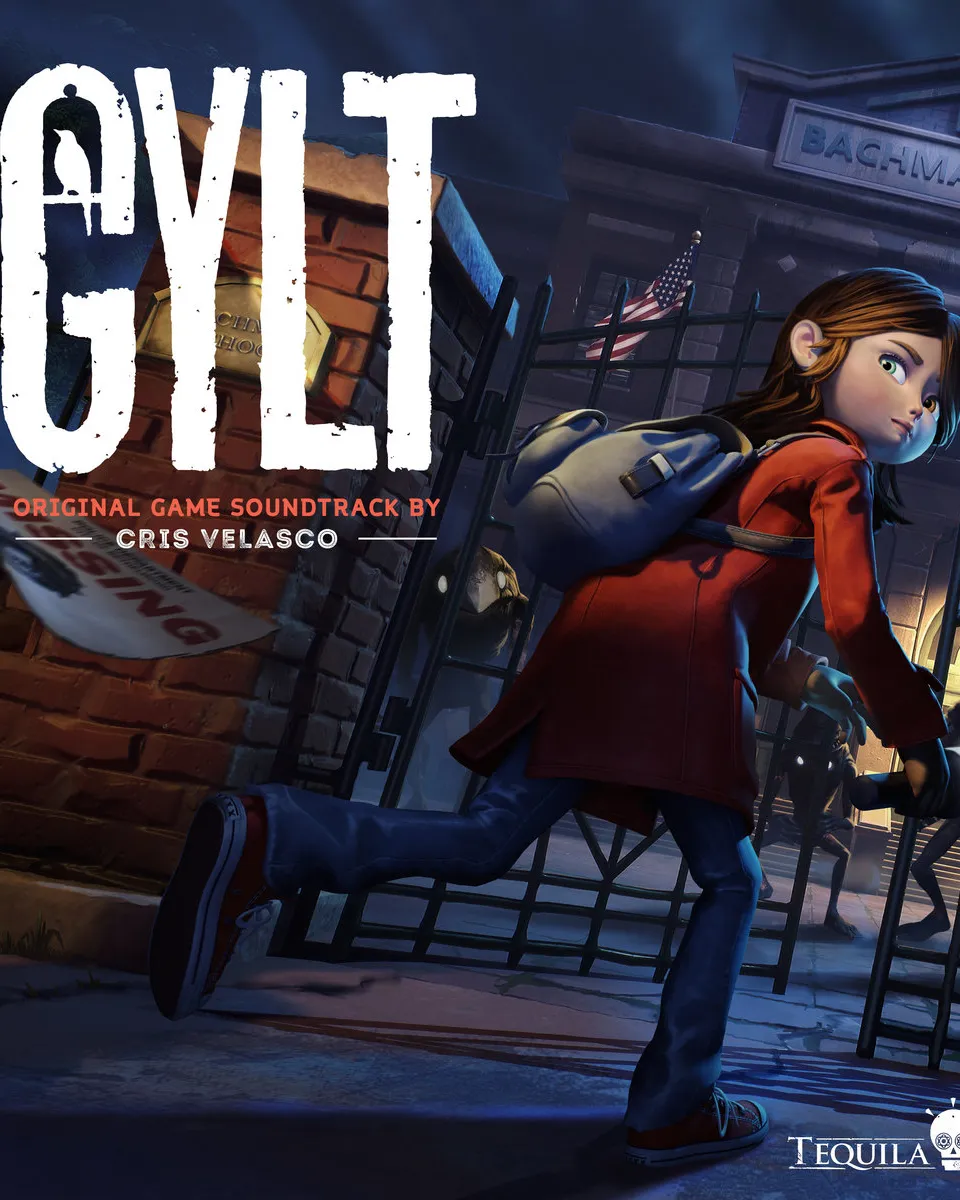
One of the few interesting exclusives of the defunct cloud system Google Stadia has finally reached all the known platforms in early July. The game from the creators of the vanilla RiME, the Spanish studio Tequila Works, plunges you into a raging world of childhood nightmares and school violence.
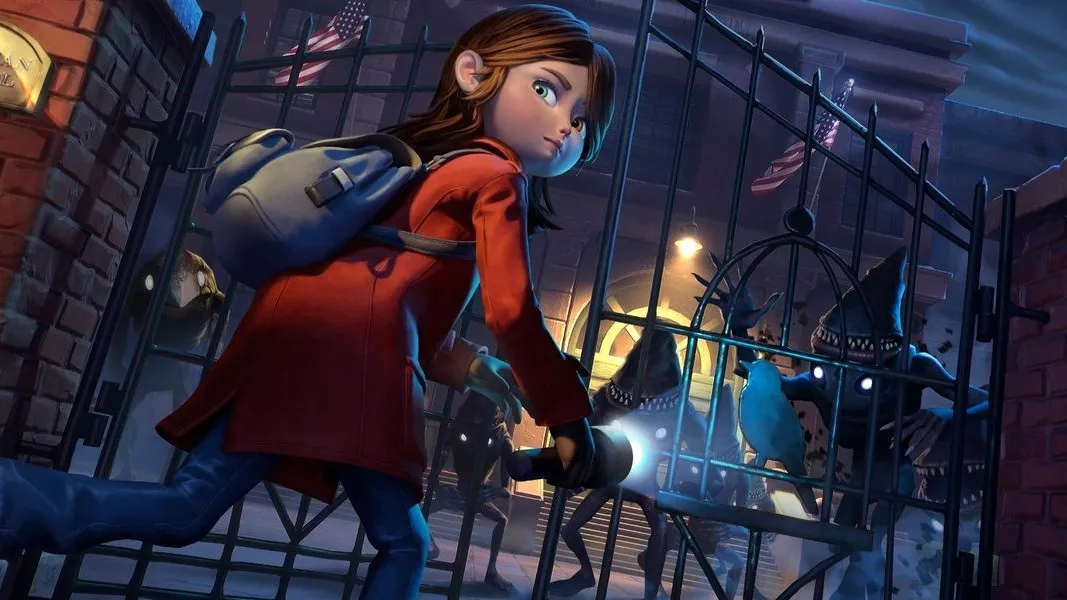
The main heroine of GYLT is a girl, Sally, who has been looking for her cousin Emily for several months now. She is the only one who remembers her existence and tries to do at least something. At school she is considered strange and is actively bullied by envious classmates.
Running from a gang of local bullies, the girl loses her bicycle and is forced to return home on an old cable car. A suspicious cashier, a free ticket, a frightening silence, and Sally finds herself in a strange version of her hometown, as if it had survived a local catastrophe. People have disappeared somewhere, and strange shadow creatures have flooded the streets and her home school. In this world of chaos and piercing horror the schoolgirl finds the one she searched for so long — Emily. Now, using her stealth skills and wits, she must escape together with her cousin from the children's version of Silent Hill.
Actively exploiting mechanics familiar from many works, Tequila Works leads players through a series of mazes where they must get a battery for a fire truck, keys to locked rooms, and hide from nightmarish monsters. Since the heroine is still a child, she cannot fight back directly against the shadow monsters. So most of the gameplay you will simply sneak past monsters, picking moments for stealthy movement.
With the appearance of the flashlight Sally learns to destroy enemies with a beam of light or an attack from behind, but this activity is limited by the battery charge, and spare batteries are not that numerous. So stealth remains the basic choice for practically the whole game.
A bit later the girl gets a flash that blinds and temporarily disables the pursuers surrounding her, giving time to escape, and learns to distract the frightening creatures by throwing cans of soda obtained from a vending machine in the right direction. In the later stages she also gets a fire extinguisher that freezes especially dangerous opponents.
The rare bosses in the game require the use of pre-scripted mechanics. For example, a burning fat man is afraid of water, and he should be blinded with the flashlight at a certain moment, while from the giant spider it is better to hide behind numerous cover, which slightly recalls the “granny” from the magnificent Little Nightmares II.
Besides stealth and guerrilla attacks on mostly static enemies, Sally solves numerous puzzles. You will have to find detours to generators through ventilation, and later you will assemble electrical circuit puzzles and deal with complex spatial tasks using a flow of light. But in these numerous and certainly varied moments there is none of that challenge. They are incredibly boring and simple.
The game is aimed at first-graders — hence the lenient stealth system and rather low punishments for contact with monsters or falling into traps. In addition, GYLT has enough inhalers restoring Sally's shaken health. At the same time the story itself arouses interest, offering slightly broader coverage through a series of hidden diaries and special items. They also affect getting the secret ending. Sally as a character is a beautifully developed heroine.
GYLT is translated into Russian quite well — there are subtitles and localized elements of the environment, including a convenient and detailed map. The graphics have aged over the four years since the game's release and no longer meet modern standards, but thanks to the overall cartoonishness, in high resolution and at maximum settings the adventure looks decent.
GYLT is an example of a game with an interesting concept and derivative execution. It suffers from a primitive combat system, regular self-repetition and too much orientation toward a child audience, but one can get a certain pleasure from it.
Based on material from GameMAG. Translated from Russian.