Valve does not let games with neural-network content onto Steam because of copyright
According to Reddit user potterharry97, Valve kept his game off Steam because of AI-generated assets based on copyrighted content, but would approve it if he proved the rights to the training material.
As neural networks gain popularity, experts and ordinary users increasingly discuss the ethics of using neural networks in creative work. It seems Valve has also begun to shape its attitude toward AI.
If Reddit user potterharry97 is to be believed, the company did not let his game onto Steam because it found neural-network-generated assets in it. In the letter accompanying the refusal, Valve stressed that it is not ready to give the green light to projects with AI-made materials that are clearly based on copyrighted content. However, if the creator of the title can prove that he has the rights to the intellectual property on which the neural network was trained, Valve will approve the application.
The developer processed the assets by hand so that their AI origin would not be so conspicuous. But the company again answered with a refusal.
It took them more than a week to render this verdict, although my previous games were approved within one or two days. It seems that for now Valve has no unified approach to titles with AI content. I have seen projects in the store whose authors openly state that they relied on AI.
potterharry97
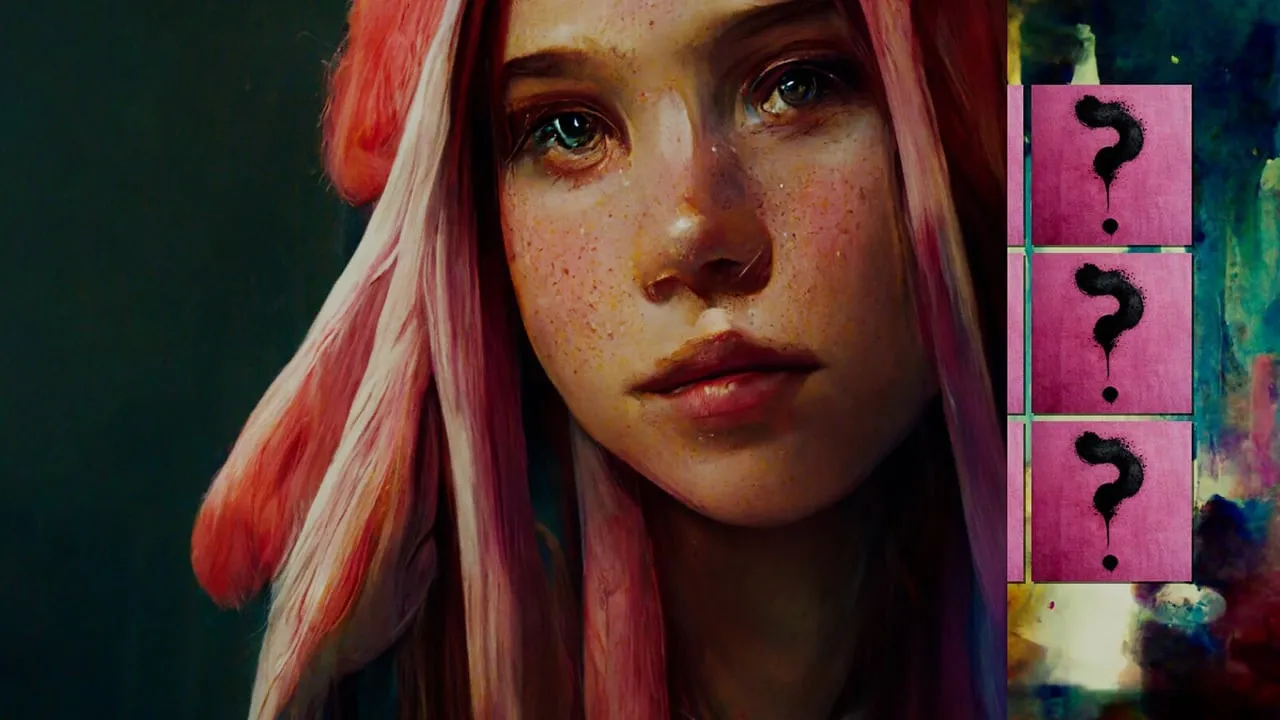
As an example of a game with neural-network materials approved by Valve, one can cite the dating simulator This Girl Does Not Exist. As its description says, everything in the project, including the plot, voice acting, characters and more, was created with the use of artificial intelligence.
To clarify, Valve may have begun to treat projects with AI content more carefully because cases of unlawful use of others' works to train AI are increasingly common. For example, in January 2023 three artists sued the creators of the neural networks Midjourney and Stable Diffusion. According to the plaintiffs, the organizations trained the AI by feeding it billions of other people's images without asking.
Based on material from StopGame. Original text by Lina Skorich. Translated from Russian.