Phil Spencer Swore That Call of Duty Won't Leave PS5 — Day Two of the FTC vs. Microsoft Trial
Day two of hearings on the Microsoft and Activision Blizzard deal: under oath, Phil Spencer promised not to cancel the release of Call of Duty on PlayStation and spoke about the possible exclusivity of Starfield and The Elder Scrolls VI, PS5 dev kits and arguments over the console market; the former head of Stadia explained why the service was shut down.
The second day of hearings on the Microsoft and Activision Blizzard deal has ended in court. Testifying during the session were Xbox head Phil Spencer, Sony head Jim Ryan and former Google Stadia head Dov Zimring.
The US Federal Trade Commission (FTC) intends to block the deal between Microsoft and Activision Blizzard on the grounds that the merger will adversely affect the console gaming and cloud gaming markets.
Xbox without Starfield
During the session Phil Spencer said that at ZeniMax, the parent company of the publisher Bethesda Softworks, there had been talk of not releasing Starfield on Microsoft's consoles. The head of Xbox did not share the reasons or details of such discussions.
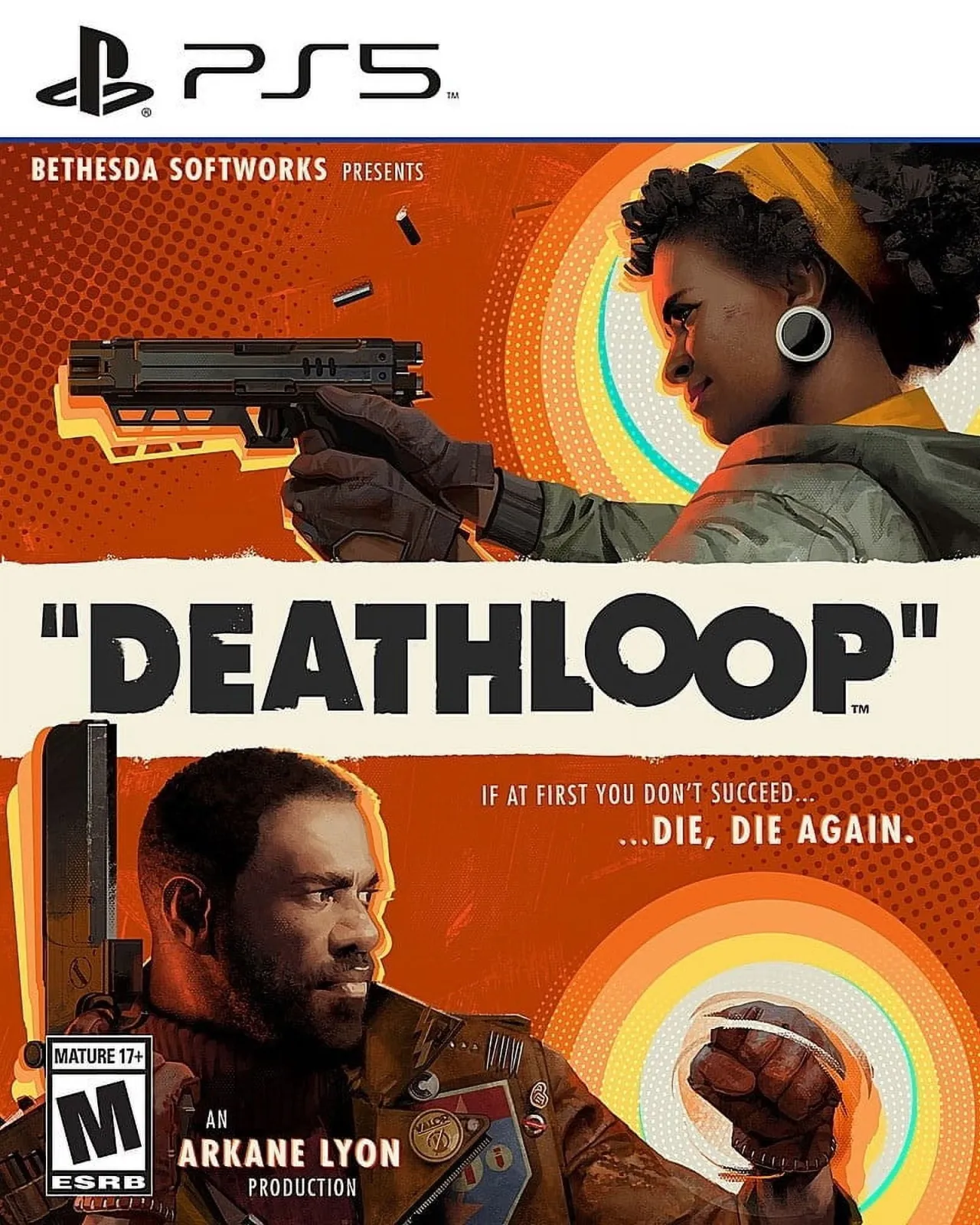
Phil went on to develop the idea that the acquisition of ZeniMax was Xbox's only chance to keep competing with the console market leader — Sony. Exclusives constantly come out for PlayStation because the company signs limited-release agreements. And Xbox was afraid it would not see on its consoles, for example, projects such as Ghostwire: Tokyo and Deathloop, since Sony had managed to sign limited-release deals for them after all.
Later Spencer lamented that competitors have far more exclusive games and that this is normal practice in the business. As an example he cited the recent Final Fantasy XVI, which is a timed exclusive for PS5.
The Elder Scrolls VI platforms are undetermined
During the session FTC lawyers began questioning Spencer about the possible exclusivity of The Elder Scrolls VI. Phil replied that the RPG is at least five years from release and the platforms are still undetermined.
Spencer was reminded of a 2021 interview in which he transparently hinted at the exclusivity of The Elder Scrolls VI, but now the head of Xbox said he does not remember such public statements. At the moment he holds the view that it is not even known now what the relevant platforms will be at the time of the game's release.
Call of Duty is protected by an oath
Judge Jacqueline Corley reminded Spencer that he is under oath and asked once more whether Microsoft intends to keep releasing games of the Call of Duty series on PlayStation.
I will even raise my hand. I will do whatever is required of me. We have no secret plan. Standing here, I commit to not canceling the release of Call of Duty on PlayStation. Obviously, Sony has to allow us to keep releasing games on its platform. If that does not change, I promise that we will keep releasing future games of the Call of Duty series on Sony's PlayStation 5.
Phil Spencer
Sony did not share PS5 dev kits
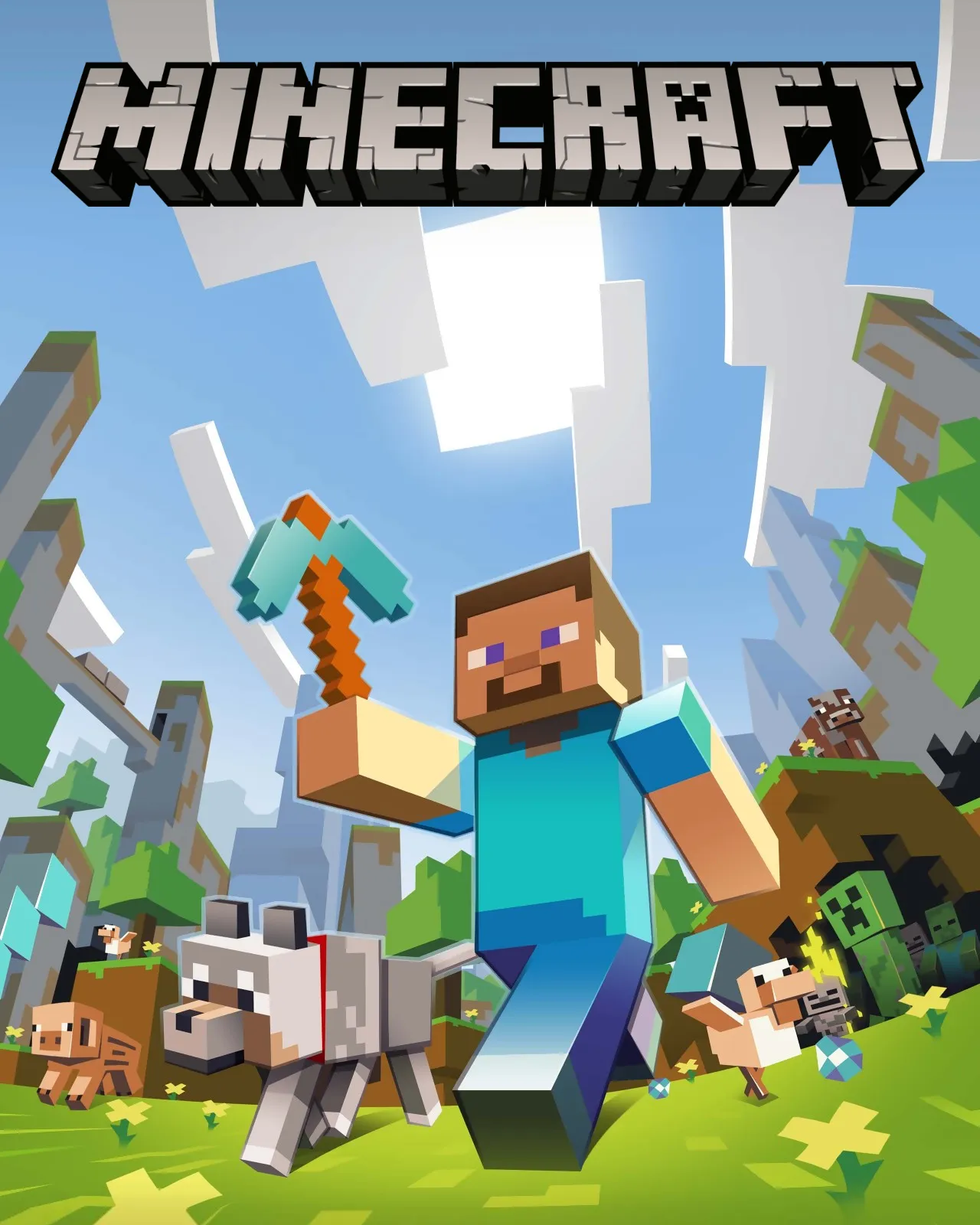
Phil Spencer explained why Minecraft still has no PS5 version. According to him, Sony was extremely reluctant to send dev kits of the new console to Microsoft before the launch in 2020, although other publishers received the devices on time.
Now PS5 owners play the PS4 version of the cubic game through backward compatibility. Minecraft Dungeons could also have become an Xbox and PC exclusive. The FTC presented emails confirming such intentions at Microsoft. But in the end the project also came out on PS4 and Nintendo Switch.
The console of contention
During Phil Spencer's questioning, FTC lawyers paid a great deal of attention to the promise to release Call of Duty on Nintendo Switch. They were also concerned with the assessment of the handheld console's place in the market.
Microsoft's position is that Xbox is losing the “console wars”, which, by the way, Phil considers a social construct. Spencer repeatedly mentioned that his company is in third place after Sony and Nintendo. These arguments lead to the conclusion that the deal with Activision Blizzard will not harm competition.
For their part, FTC lawyers believe that PlayStation 5 and Xbox Series consoles belong to the market of “high-performance devices”, while Switch is not part of this market and Nintendo should not be taken into account. And the purchase of Activision Blizzard would give Microsoft anticompetitive advantages.
Spencer stated that Call of Duty could become a great game for Nintendo Switch but, obviously, will not look the same as on Xbox Series. And Nintendo cannot be excluded from the number of competitors.
Microsoft wanted to buy Zynga
The conversation during cross-examination also turned to the mobile games market. Microsoft seriously considered buying the company Zynga, whose projects have long been conquering users' phones.
According to Spencer, the company spent a lot of time on negotiations but they did not succeed. Microsoft wanted more, and meanwhile Take-Two bought Zynga for 12.7 billion dollars.
Phil said that his company is currently struggling to enter the mobile games market fully. And the deal with Activision Blizzard is supposed to solve this problem.
Stadia needed AAA games
At the end of the second day of hearings, former Google Stadia head Dov Zimring was called to the courtroom. He said it was critically important for the service to have enough AAA content to release it regularly.
According to Zimring, Stadia had the best technological base among all projects in the cloud services market. For example, users could play games at 4K resolution.
Zimring also said that Google planned to release AAA games for Stadia, but the five-year development cycle turned out to be too expensive, so the company closed many internal studios in 2021. He also confirmed that Google paid third-party developers who ported their projects to Stadia.
The next hearing begins on June 27. The exact lineup of witnesses at this hearing is unknown, but it had been announced earlier that the court expects testimony from: Activision Blizzard CEO Bobby Kotick, Microsoft CEO Satya Nadella, Jim Ryan of Sony and others.
Based on material from StopGame. Original text by Alexander Kudryavtsev. Translated from Russian.