Digital Foundry: Starfield at 30 fps Is Normal
In a special podcast episode, the Digital Foundry hosts go over Starfield's technology and explain why the 30 fps cap will benefit the game: a huge simulation and heavy processor load, good lighting and motion blur, but weak character models and facial animation.
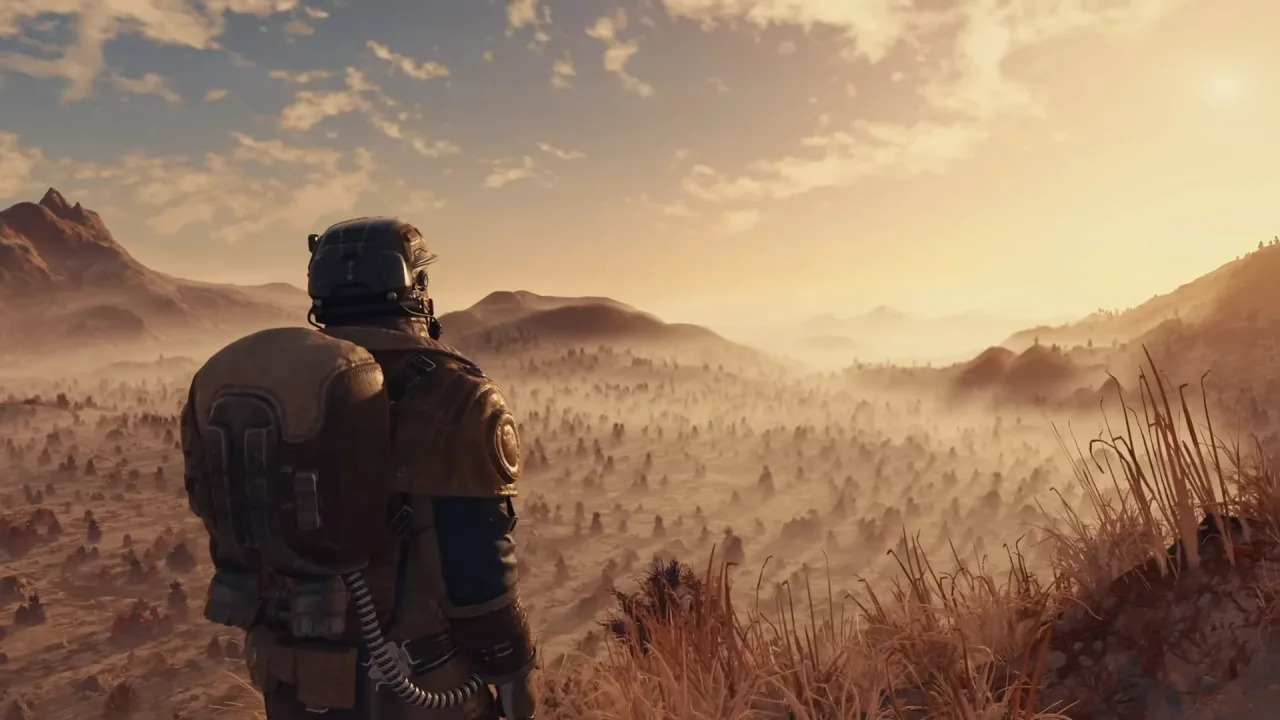
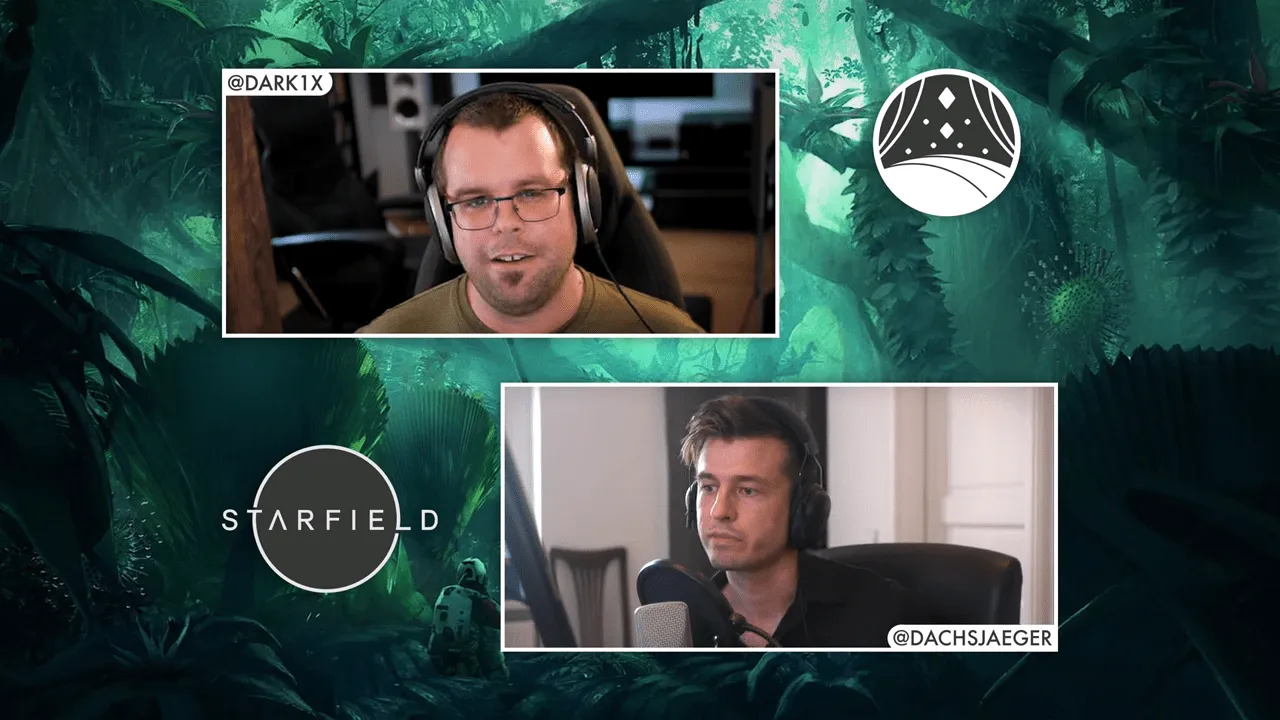
The Digital Foundry specialists devoted a special episode of their podcast to the presentation of the role-playing game Starfield. Alex Battaglia and John Linneman went through the game's main technical and graphical aspects and also explained why the 30 fps cap will benefit the project.
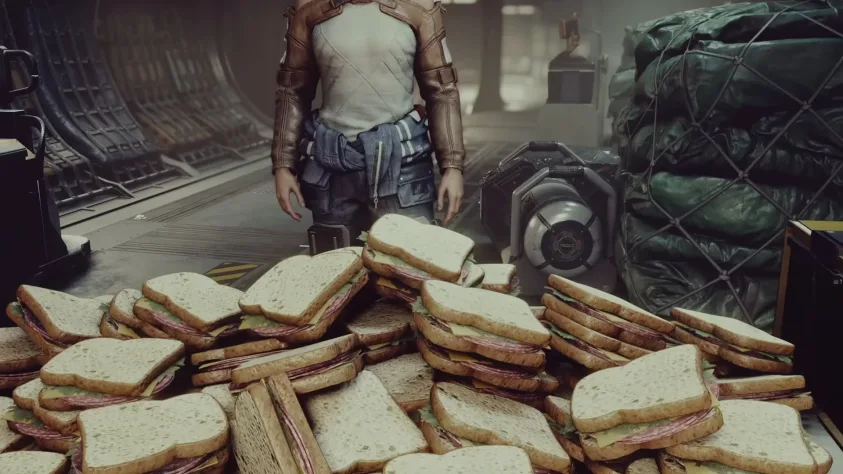
- John was not surprised when he heard about the decision to cap the frame rate in Starfield on consoles. These parameters suit such a big RPG from Bethesda. This is a game not just with an open world, but with an open universe. Starfield consists of many systems that must constantly interact. For example, few people paid attention to the joke during the presentation that the player can steal sandwiches from across the whole station and stockpile them in one place, yet this example illustrates an important mechanic. The game remembers the position of all items the player has interacted with. The mechanic itself is not new, it appeared long ago. But it requires its own hardware power.
- Alex adds that in such big games much attention is also paid to AI. Non-player characters in cities must be doing something. And a game with no loading screens at all must correctly calculate the position of NPCs if the player wants to visit a city.
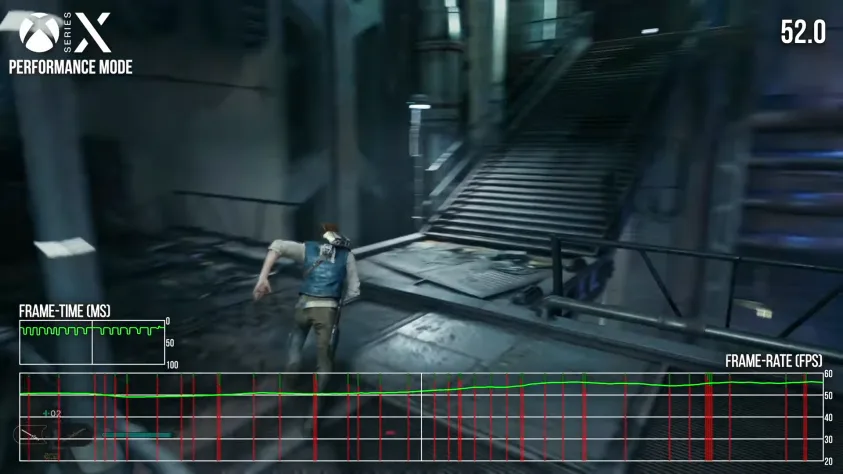
- Both experts agreed that the decision to cap the frame rate at 30 will have a positive effect on the gameplay experience. Developers have no need to chase a high number of fps on consoles, otherwise they would have to cut the functionality of other systems. The game runs at an internal resolution of 1296p, which is then scaled to 4K. Players will see a fairly sharp picture. Moreover, an image at 30 fps may seem smoother thanks to its stability than, for example, the jerky 40–60 frames in the demos of Final Fantasy XVI and Star Wars Jedi: Survivor.
- Another reason for the 30 fps ceiling is the heavy load on the processor. Alex closely follows the development of Star Citizen and gave an example of how hardware power is loaded in that space game. While traveling across planets, the limiting factor of performance is the graphics card. The graphics processor gets the maximum load in such conditions. But if you move to a city dense with objects, the load on the graphics card drops to 50%, while the central processor is loaded to the maximum. And most often this leads to a drop in frame rate. Alex believes Bethesda took this factor into account. The player in Starfield will often visit locations and cities dense with objects. So it is better to set a 30 fps ceiling and do everything to keep stability than to show the user a picture with stutters and frame-rate jumps.
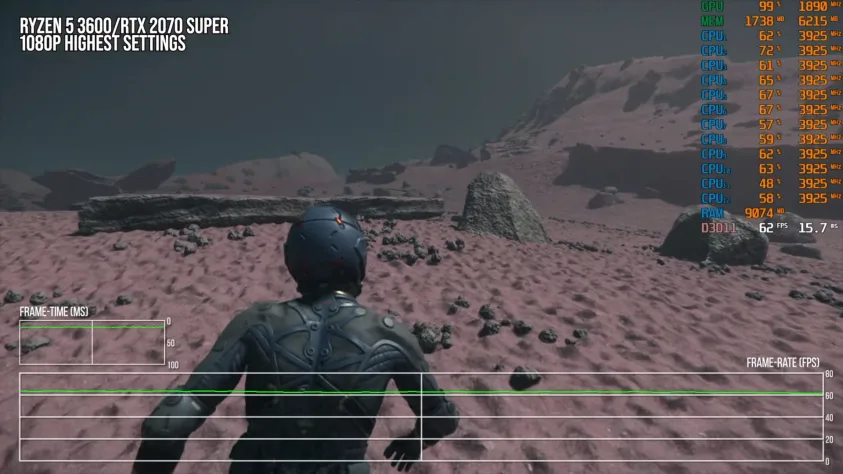
On the planets' wastelands, performance depends on the graphics card.
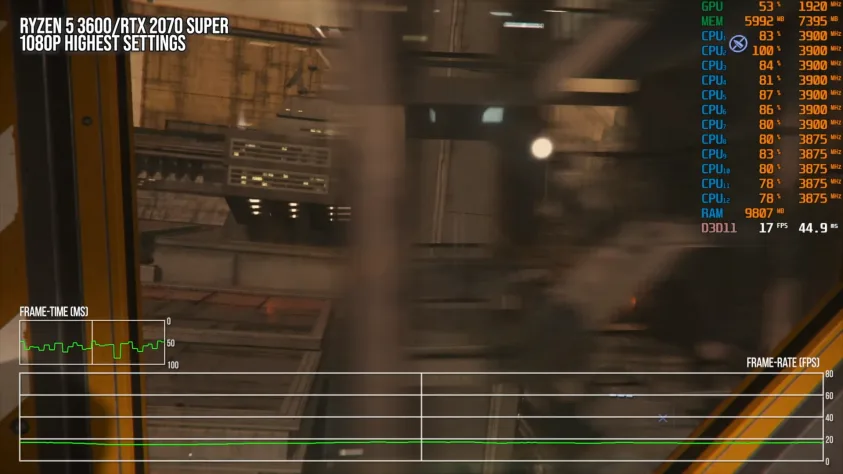
In big cities, performance depends on the central processor.
- The specialists praised the game's new global illumination system. The game correctly calculates, in real time, how light from a star or another source spreads.
- Bethesda decided to implement reflections with cube maps rendered in real time. This approach allows better global illumination. Cube maps also save hardware power compared with screen-space reflections.
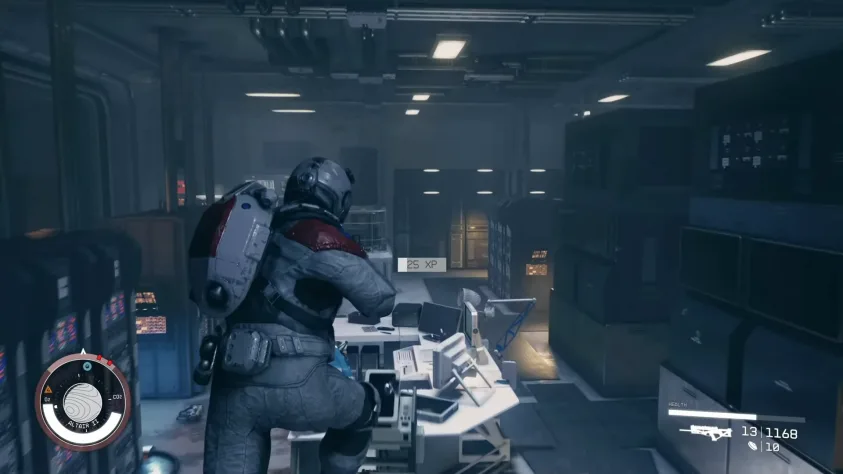
- Both Alex and John were pleased that Bethesda added per-pixel motion blur to its engine. Specialists from id Software helped them with this. This approach keeps the picture smooth during action scenes. In Starfield the hero moves far more actively than the protagonist of Skyrim, for example. The camera moves more dynamically, and per-pixel motion blur was added so that the picture stays smooth.
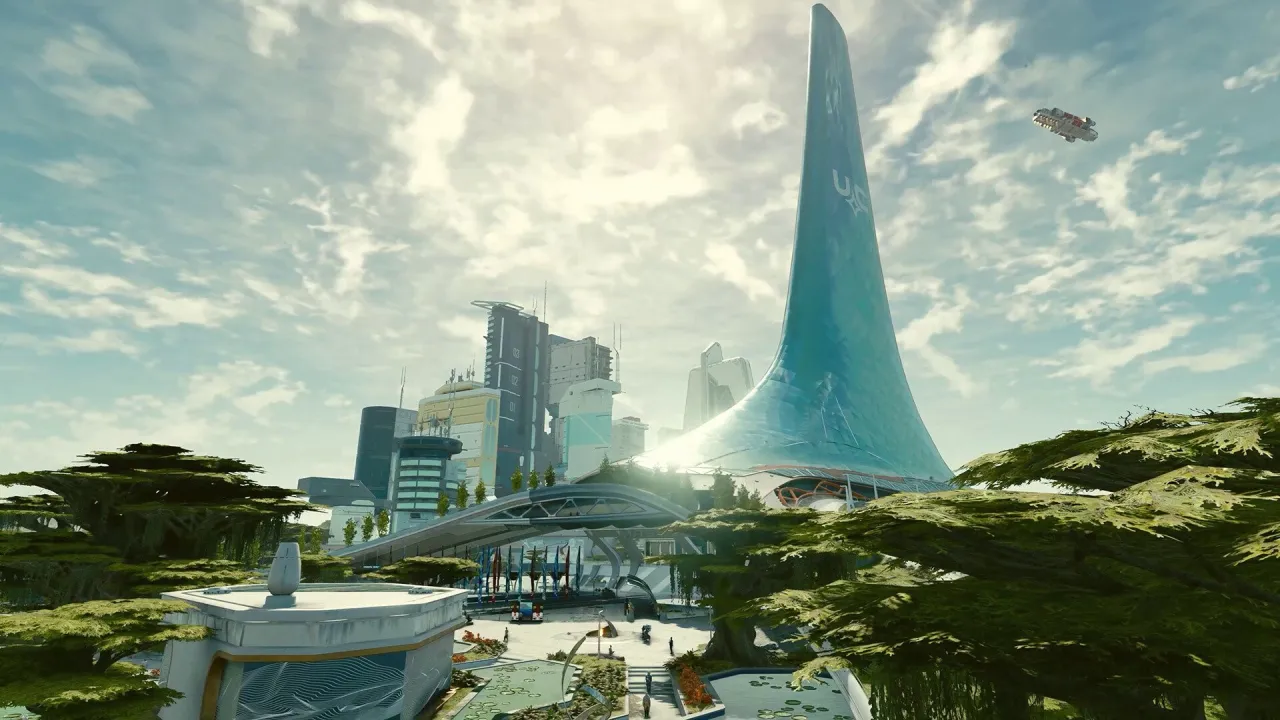
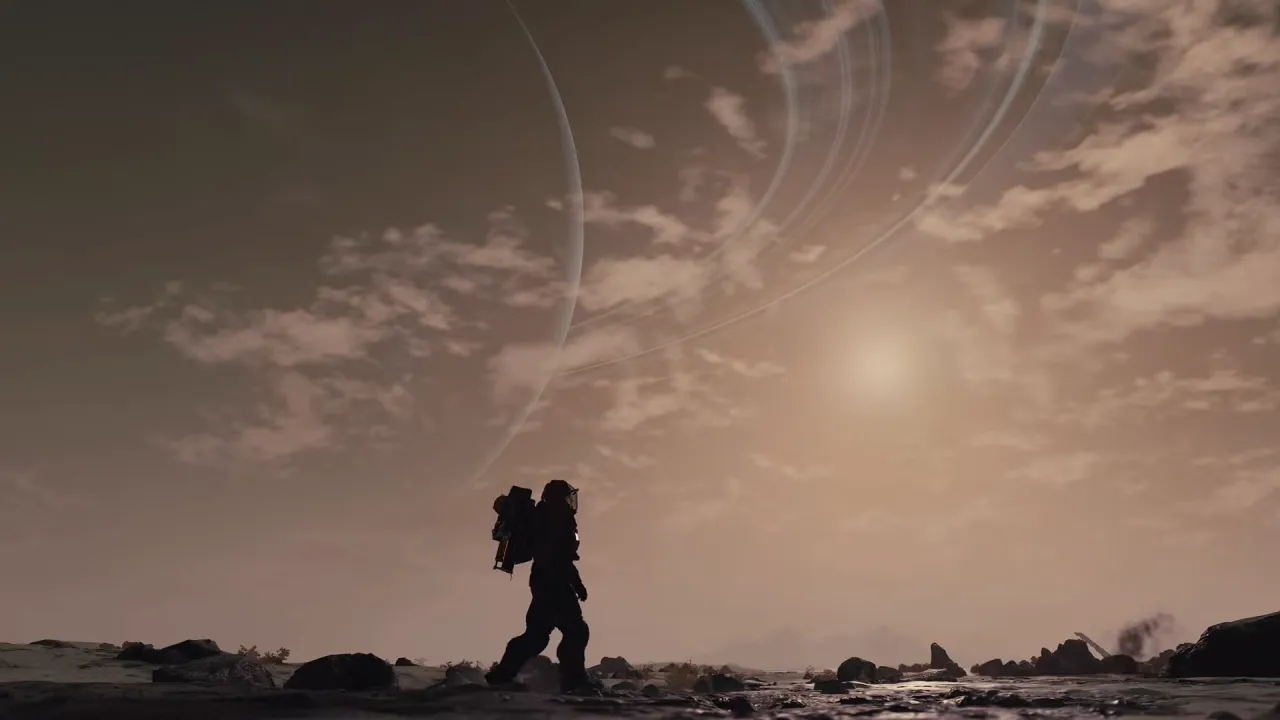
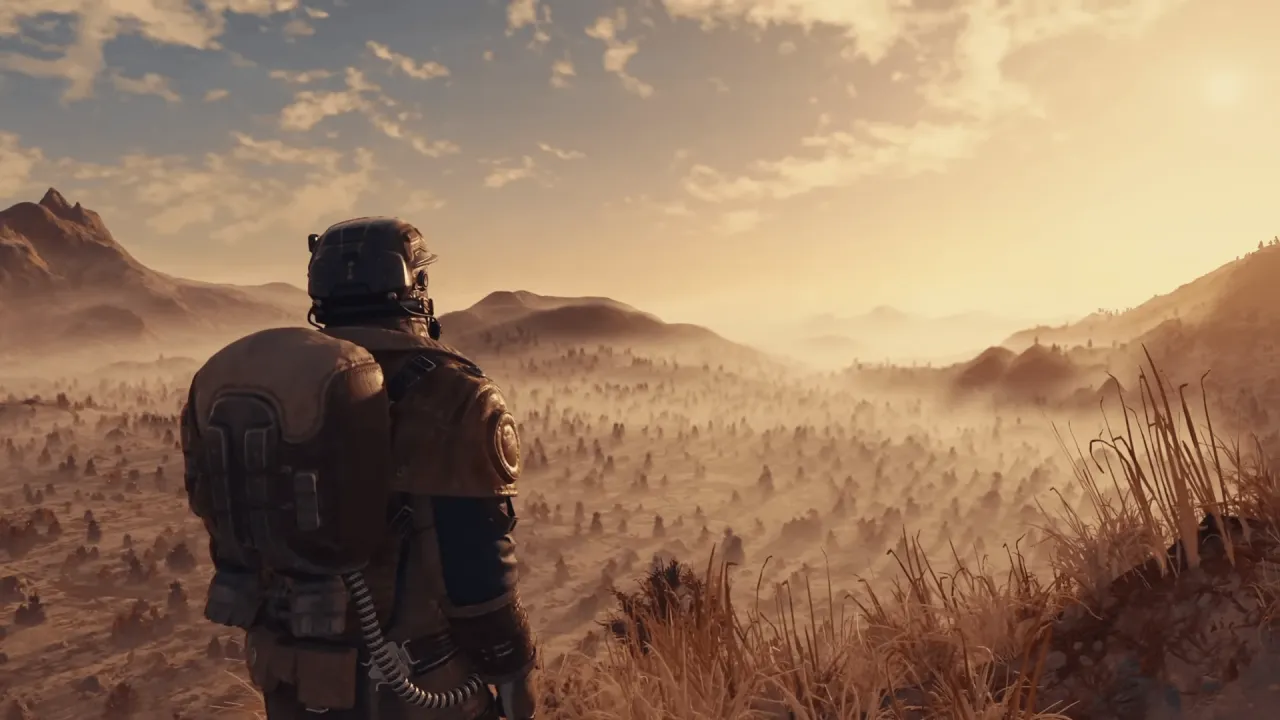
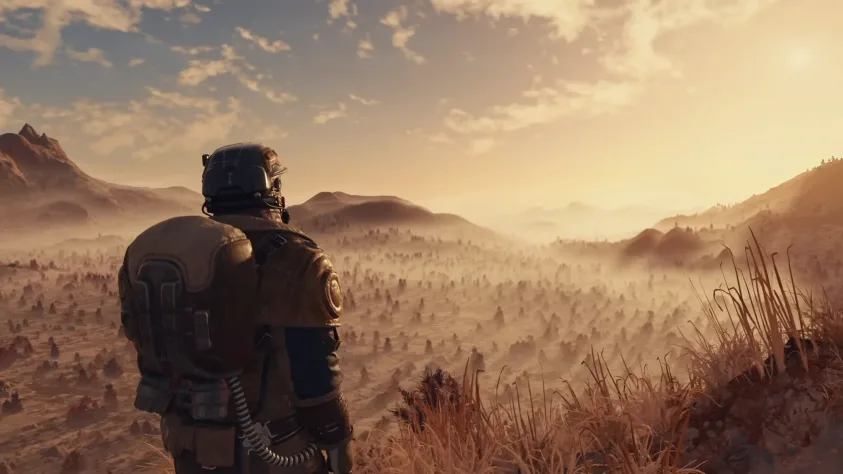
- Another strong point, clearly visible in the published videos, is the modeling of the atmosphere and the rendering of distant objects. The developers at Bethesda did a great deal of work to make each planet look special and interesting. The game takes into account cloud cover and atmospheric composition, so light is distributed in the air differently. At medium and long distances Starfield keeps a high level of detail. You can see volumetric fog in the lowland of a valley, shadows from hills and mountains. The DF specialists saw this level of detail in Red Dead Redemption 2.
- The weakest part of the game is the character models and their facial animation. Alex is surprised at how uneven the progress is between the development of graphics in Bethesda's games and the improvement of NPC display. At the moment the character models look bad, and the facial animation does not pretend to realism or even smoothness.
John and Alex noted that they will be able to draw more accurate conclusions only after Starfield is released. For now the game looks very promising. And if the developers can ensure a stable frame rate at a 30 fps ceiling, console players will not feel shortchanged.
Starfield comes out on September 6 on PC (Steam, Microsoft Store) and Xbox Series and will be available through the Game Pass subscription. The game has no Russian-language support.
Based on material from StopGame. Original text by Alexander Kudryavtsev. Translated from Russian.